cooling fan on hp laptop not working

Title: Fix the system has detected that a cooling fan is not operating correctly System Fan 90B
Channel: Whiszan Tech
Fix the system has detected that a cooling fan is not operating correctly System Fan 90B by Whiszan Tech
cooling fan on hp laptop not working, cooling fan not working properly in hp laptop, what to do if cooling fan of laptop is not working, how do i fix the fan on my hp laptop, how to fix cooling fan on hp laptop, hp laptop says cooling fan not working properly
HP Laptop Fan DEAD? 😱 Emergency Fix!
HP Laptop Fan FAILURE: Don't Panic! (Quick Fixes Inside!)
Picture this: you're in the middle of something important. Suddenly, your HP laptop sounds like a jet engine preparing for takeoff! Or even worse, it’s completely silent… ominously so. Then, your laptop starts to feel like a stovetop. Is your HP laptop fan dead? Don't lose hope. You can potentially salvage the situation. Let's explore some solutions!
Is Your HP Laptop Fan Truly Gone? Assessing the Situation
Before you jump into drastic measures, slow down. You need to determine the actual problem. A few telltale signs signal a fan issue. Perhaps it's the high-pitched whirring. That could indicate a problem. It could also suggest it's working overtime. First, listen closely. Are there any unusual noises emanating from your laptop? Grinding, clicking, or complete stillness? These are significant clues. Next, observe the laptop's temperature. Is the chassis uncomfortably warm? Specifically, where the fan usually resides. This suggests inadequate cooling, therefore, pointing to a fan problem.
Troubleshooting Steps: What to Try First
Okay, so you've confirmed a potential fan issue. Now what? Do not fret. There are several preliminary steps you can take. These can often solve the issue. Sometimes, the simplest solutions work best.
First, restart your laptop. It might seem overly simplistic. However, a simple reboot can often clear minor software glitches. Then, assess if the fan behavior changes. After the restart, does the fan work better? Or perhaps, not at all?
Check for any recent software changes. Did you install anything new recently? This new software could be taxing the system. As a result, it could stress the fan. Consider uninstalling any programs. See if this improves the fan’s behavior.
Examine your laptop’s vents. These can become clogged with dust and debris. This buildup restricts airflow. As a consequence, it impairs the fan’s function. Use compressed air to clean the vents gently. Be careful not to damage anything.
Deeper Dive: Advanced Fixes to Consider
If the initial steps yield no results, we can delve a bit deeper. We need to be prepared for the next course of action. This requires a slightly more hands-on approach.
Access the BIOS settings. You can sometimes adjust fan speed. Locate the fan control options within the BIOS. Experiment with different settings. This could provide temporary relief. Reboot the laptop and assess.
Monitor CPU usage. High CPU usage always puts a strain on the system. This can trigger the fan to work harder. Open Task Manager (Windows) or Activity Monitor (Mac). Now, identify any resource-intensive programs. Close the processes that are hogging resources.
Consider a system restore. If the fan issues started recently, go back to a previous system state. This could reverse any problematic software changes. You could try restoring your system to an earlier time.
When to Seek Professional Help: Knowing Your Limits
There's a point where DIY solutions become risky. Some issues require expert intervention. It’s vital to recognize your limitations.
If you are uncomfortable opening your laptop, don't force it. Laptop internals are delicate. Damage from improper handling is possible. A qualified technician can handle the task.
If you suspect a hardware failure beyond the fan, seek professional help. This includes issues like a failed motherboard. In fact, a dead fan can sometimes indicate a more serious problem.
If you have tried all the previous steps, and the fan is still not working, it’s time to call in the professionals. A professional can diagnose the issue. They know how to proceed from there.
Preventative Measures: Keeping Your Fan Happy
Prevention is always better than a cure. You can extend your fan's lifespan. Implement these simple measures.
Regularly clean your laptop. Use compressed air. Remove dust and debris. Doing this will help maintain good airflow.
Use your laptop on a flat, hard surface. Avoid using it on soft surfaces like beds or couches. These trap heat and block airflow.
Consider using a cooling pad. These pads provide external airflow. They give the fan an added boost.
Final Thoughts: Keeping Your Cool
A malfunctioning HP laptop fan is frustrating. It can be a real problem. But, as you now know, don't give up. Explore these solutions. You might be able to get your laptop running smoothly again. Hopefully, this helps you fix the problem. Good luck, and stay cool!
HP Laptop Keys DEAD? This SHOCKING Fix Works!HP Laptop Fan DEAD? 😱 Emergency Fix!
Alright, fellow tech travelers! Has your HP laptop suddenly decided to sound like a jet engine taking off? Or, worse yet, gone completely silent, leaving you with a scorching hot lap warmer instead of a productive workstation? We’ve all been there. That ominous stillness, the sudden performance lag, the creeping fear that your beloved HP is about to go kaput. Today, we're diving deep into the heart of this problem: a dead, dying, or just plain unhappy HP laptop fan. Don't panic! We’re going to break down this emergency situation, understand what’s happening, and, most importantly, explore some emergency fixes you can try right now to save your digital life.
1. SOS! Recognizing the Signs of a Failing HP Laptop Fan
Before we start wielding screwdrivers and thermal paste, we need to know what we're facing. Think of your laptop fan like the lungs of your computer. When it's working properly, it's a quiet, unseen hero, keeping everything cool and happy. But when things go south… well, the symptoms are pretty clear.
- Excessive Heat: This is the big one. If your laptop is hot to the touch, especially on the bottom or near the vents, your fan is likely failing. Imagine running a marathon in a sauna – that’s essentially what your CPU and GPU are doing.
- Loud Noises: Grinding, whirring, clicking, or even a screaming noise emanating from your laptop usually indicates a fan struggle. It's like listening to a sick engine – not a good sign.
- Sudden Shutdowns: An overheating laptop may instinctively shut down to prevent damage. If your HP is constantly cutting out, overheating is a likely culprit.
- Performance Lag: A hot computer is a slow computer. If your laptop is sluggish, even with basic tasks, a compromised fan could be to blame. It's like trying to run a race with a fever.
2. Why Did My HP Laptop Fan Die Anyway? The Usual Suspects
Why do these fans give up on us? Well, a few common culprits are usually involved.
- Dust and Debris: This is the number one enemy. Over time, dust, pet hair, and general grime accumulate inside your laptop, clogging the fan and vents. It's like trying to breathe through a clogged nose.
- Age and Wear: Like any mechanical component, laptop fans have a lifespan. After several years of constant use, the bearings can wear out, leading to failure.
- Overclocking and Heavy Use: Pushing your laptop to its limits (gaming, video editing, etc.) generates more heat, placing extra stress on the fan. It's like asking a runner to sprint a marathon.
- Manufacturing Defects: Sometimes, a fan might be faulty from the start.
- Physical Damage: A drop, a bump, or even just being jostled around can damage the delicate fan blades or the fan motor.
3. First Aid: Immediate Actions to Try Before You Panic
Okay, your laptop is feeling the heat. Before you start pricing new computers, let's try some quick fixes. These aren't guaranteed cures, but they can provide some temporary relief.
- Gentle External Cleaning: Get a can of compressed air. Carefully aim the nozzle into the vents and blow out any visible dust. Don't go overboard; you don't want to force debris deeper inside.
- Check for Background Processes: Run your Task Manager (Windows – Ctrl+Shift+Esc) or Activity Monitor (Mac) and see which programs are hogging resources. Close any unnecessary applications.
- Elevate Your Laptop: Place your laptop on a hard, flat surface (not your bed or a fluffy blanket). This improves airflow, which can help the fan do its job.
4. The Deep Dive: How to Access Your HP Laptop Fan (And When NOT To!)
This is where we get a little more adventurous. Opening up your laptop can be a bit intimidating, but often it is necessary. Important Disclaimer: If you're not comfortable working with electronics, or if your laptop is still under warranty, consider taking it to a professional. Trying to open your laptop could void your warranty. Alright, let's proceed with caution.
- Consult Your HP Laptop’s Service Manual: This document (usually available online on the HP website) provides specific instructions for your model. It’s your roadmap.
- Power Down and Disconnect Everything: Unplug the power adapter, remove the battery (if possible), and disconnect all peripherals. Safety first!
- Find the Right Screwdriver: Many HP laptops use Torx screws. Make sure you have the correct size.
- Take Pictures: Before removing any components, take pictures. This will help you remember how everything goes back together.
- Carefully Remove the Bottom Panel: Usually, there are small screws holding the bottom panel. Be gentle; the plastic can be brittle.
- Locate the Fan: It's usually near the CPU and GPU and often has a heat sink attached.
- Clean, Clean, Clean: Use the compressed air to meticulously remove dust from the fan blades and vents.
- If Necessary, Replace the Fan: This is the most involved step and the best option if cleaning does not help. You can find replacement fans online for your specific HP model.
5. Software Solutions: Taming the Beast with Temperature Monitoring and Control
Sometimes, the problem isn't hardware; it's software. There are a few things you can do in software too.
- Monitor Your Temperatures: Download a temperature monitoring program like HWMonitor (Windows) or iStat Menus (Mac). This will show you the CPU and GPU temperatures, allowing you to see if they are running too hot.
- Manage Power Settings: Adjust your power settings to prioritize battery life over performance. This can reduce the heat generated by your laptop.
- Update Drivers: Outdated drivers can sometimes contribute to overheating. Make sure your graphics card drivers, etc. are up-to-date.
6. The Art of Prevention: Keeping Your HP Laptop Fan Happy and Healthy
The best offense is a good defense. Here are some habits that will keep your HP laptop running cool and prevent fan issues.
- Regular Cleaning: Dust your laptop regularly – at least once a month – using compressed air.
- Proper Placement: Avoid using your laptop on soft surfaces (beds, cushions) that can block airflow.
- Use a Laptop Cooler: These external cooling pads are good extra protection, especially if you are a gamer.
- Control Overclocking: Only overclock your CPU or GPU if you know what you are doing and are prepared for the risk of increased heat.
7. When to Call in the Pros? Recognizing When It's Beyond DIY
Sometimes, despite our best efforts, the situation is too much. Here are the signs that it's time to seek professional help.
- The Fan is Completely Dead: If your fan isn’t spinning, at all, at all.
- Burning Smell or Smoke: This is a huge red flag. Shut down immediately and get professional help to avoid further damage or a fire.
- You're Uncomfortable Opening the Laptop: Don't risk damaging your laptop further if you are not comfortable with the steps.
- Persistent Overheating After Cleaning: If you've cleaned your laptop and it is still overheating, there is a deeper problem.
8. Choosing the Right Replacement Fan: HP Laptop Specifics
Okay, you've decided to replace the fan yourself. What now?
- Identify Your HP Model: You'll need this to find the correct replacement fan. Look for the model number on the bottom of your laptop or on a sticker inside the battery compartment.
- Check the Fan's Specifications: Look for the voltage, amperage, and connector type. This information is usually listed on the original fan.
- Source a Reputable Seller: Buy from a trusted online retailer or an electronics supply store.
- Watch Installation Videos: Before you start, watch videos specifically about replacing the fan on your HP model.
9. Thermal Paste: The Overlooked Hero of Cooling
When you remove the heat sink, you might need to reapply thermal paste to the CPU and GPU.
- What is Thermal Paste? This is a thermal interface material that fills the microscopic gaps between the CPU/GPU and the heat sink, improving heat transfer.
- How to Apply Thermal Paste: Apply a small drop (about the size of a grain of rice) to the center of the CPU/GPU.
- Don't Overdo It: Too much thermal paste can actually have the opposite effect.
10. Troubleshooting After Replacement: Is Everything Working?
You've installed the new fan. Now what?
- Power Up and Listen: Does the fan spin? Does it make any strange noises?
- Monitor Temperatures: Use a temperature monitoring program to check your CPU and GPU temperatures.
- Test Under Load: Run a demanding application (like a game) to see if the temperatures stay within an acceptable range.
11. Advanced Techniques: Exploring Fan Control Software (If Applicable)
Some laptops allow for manual fan control.
- **Check Your
HP Laptop Fan 90B Error Fix The system has detected that a cooling fan not working properly Solved

By Whiszan Tech HP Laptop Fan 90B Error Fix The system has detected that a cooling fan not working properly Solved by Whiszan Tech
Cara Memperbaiki Laptop Hp System Fan Error Saat Dinyalakan

By Rupa Rupi Rdua Cara Memperbaiki Laptop Hp System Fan Error Saat Dinyalakan by Rupa Rupi Rdua
Hp Laptop Fan not Working l Mini Vlog l Day 537 shorts vlog minivlog
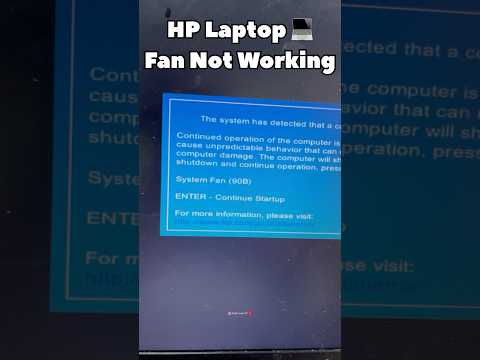
By RaghuveerCV Hp Laptop Fan not Working l Mini Vlog l Day 537 shorts vlog minivlog by RaghuveerCV

Title: Asus ZenBook A14 Gorgeous, Efficient, But Worth 1,200
Channel: The Silicon Foxx
Asus ZenBook A14 Gorgeous, Efficient, But Worth 1,200 by The Silicon Foxx
My Laptop Work
HP Laptop Fan DEAD? 😱 Revive Your Overheating Machine with These Solutions!
We've all been there. That chilling moment when your HP laptop's fan, the stalwart guardian of your precious components, goes silent. The sudden absence of that familiar whirring sound can fill you with dread, a premonition of impending thermal doom. Your machine begins to feel like a miniature furnace, and you know something's amiss. Don't panic! A dead HP laptop fan doesn't necessarily spell the end of your computing life. In many cases, it's a problem with a solution, and we're here to guide you through it. This comprehensive guide will equip you with the knowledge and techniques to diagnose and, hopefully, resurrect your unresponsive fan, restoring your laptop to its former, cooler glory.
Understanding the Enemy: Why HP Laptop Fans Fail (and How to Tell)
Before we dive into solutions, let's understand the enemy. HP laptop fans, like all mechanical components, are susceptible to failure. Several factors contribute to their demise:
Dust and Debris Accumulation: This is the most common culprit. Over time, dust, pet hair, and other particulate matter infiltrate the fan's housing, clogging the blades and bearings. This friction increases, hindering the fan's ability to spin freely and eventually causing it to seize.
Bearing Wear and Tear: The bearings within the fan motor are subject to constant friction. After extended use, these bearings can wear down, leading to grinding noises, reduced efficiency, and ultimately, complete failure.
Component Failure: While less common, sometimes the fan motor itself can fail. This could be due to electrical issues, manufacturing defects, or exposure to extreme temperatures.
Software Glitches: In some rare instances, software conflicts or BIOS settings can interfere with fan operation, causing it to remain silent even when needed.
How to diagnose a dead fan? Look for these signs:
- Silent Treatment: The most obvious symptom is the absence of any fan noise, even during demanding tasks like gaming or video editing.
- Overheating: Your laptop's chassis will feel abnormally hot, especially around the vent areas and the keyboard.
- Performance Degradation: The CPU and GPU will begin to throttle their performance to prevent damage from excessive heat, resulting in lag, slowdowns, and potential crashes.
- Error Messages: Some laptops provide error messages related to fan failure during startup. These are a clear signal that something is wrong.
First Aid: Simple Checks and Quick Fixes for an HP Laptop Fan
Before you start disassembling your laptop, try these simple troubleshooting steps. These might sound basic, but often, they're all it takes to resolve the issue:
Power Cycle: This is the digital equivalent of "turning it off and on again." Shut down your laptop completely. Disconnect the power adapter and remove the battery (if possible). Hold the power button down for 30 seconds. Reinstall the battery (if removed), plug in the power adapter, and try to power on the laptop. This can reset the system and potentially resolve minor software conflicts.
Inspect the Vents: Use a flashlight to examine the vents on the sides, back, and bottom of your laptop. Look for visible obstructions, such as dust bunnies or debris. If you find any, carefully remove them using a can of compressed air. Direct the air into the vents, paying close attention to the fan's location.
Check the BIOS Settings: Access your laptop's BIOS settings (usually by pressing a specific key like Del, F2, F10, or Esc during startup). Navigate to the "Hardware Monitor" or "Fan Control" section. Ensure that the fan is enabled and that its speed settings are appropriate for your usage. Restore BIOS to default settings.
Run HP Support Assistant: HP provides a helpful diagnostic tool called HP Support Assistant. Install it and run a system test. It can detect and repair various hardware and software issues, including those related to fan operation. The tool will also provide tailored driver updates.
Deep Dive: Cleaning and Lubricating the Fan (Proceed with Caution!)
If the initial checks didn't work, it's time to get a little more involved. This involves disassembling your laptop to access the fan. Important Note: This process voids your warranty. Proceed only if you are confident in your ability to handle delicate electronic components.
Gather Your Tools: You'll need a small Phillips head screwdriver set, a can of compressed air, isopropyl alcohol (90% or higher purity), cotton swabs, and a suitable lubricant for electronics (e.g., a silicone-based lubricant). An anti-static wrist strap is highly recommended to prevent damage from electrostatic discharge.
Power Down and Prepare: Shut down your laptop completely. Disconnect the power adapter and remove the battery. Place your laptop on a clean, well-lit surface.
Disassembly: Consult your laptop's service manual (available online by searching for your laptop's model number and "service manual"). These manuals provide detailed instructions on disassembling your specific model. Generally, you'll need to remove screws from the bottom panel, carefully detach the keyboard and any other components that obstruct access.
Locate the Fan: Once you've opened your laptop, locate the fan. It's usually near the CPU and GPU, often covered by a heatsink.
Remove the Fan: Carefully disconnect any cables connected to the fan. Unscrew the fan from the heatsink or the laptop chassis.
Cleaning the Fan: Use the compressed air to thoroughly clean the fan blades and the surrounding housing. Be gentle! Hold the blades still while cleaning to prevent them from spinning too rapidly, which can damage the motor.
Lubrication (Optional but recommended): This is where the isopropyl alcohol and the lubricant come in. Carefully apply a small amount of isopropyl alcohol with a cotton swab to the fan's bearing (the center of the fan). Allow it to dry completely. Then, apply a tiny drop of the electronic lubricant to the bearing.
Reassembly: Reassemble the fan and reattach it to the laptop. Reconnect all cables and screws, following the disassembly steps in reverse order.
Test: Once the laptop is fully reassembled, turn it on and monitor the fan's operation. Listen for any unusual noises and check the temperature around the vents.
Advanced Troubleshooting: Replacing the Fan (If All Else Fails)
If cleaning and lubrication don't revive your HP laptop fan, it's likely that the fan itself has reached the end of its life. In this case, replacement is likely the only viable solution.
Identify the Correct Fan: Find your laptop's model number. Use this information to search online for a replacement fan. Ensure the replacement fan is compatible with your specific model. Consider purchasing a fan from HP or a reputable third-party supplier.
Disassembly (Again): Follow the disassembly instructions from the previous section to access your laptop's fan.
Remove the Old Fan: Disconnect all cables and screws and remove the old fan.
Install the New Fan: Install the new fan, connecting all the cables and screws.
Reassembly: Reassemble your laptop, following the disassembly steps in reverse order.
Test: Turn on your laptops and monitor the fan's operation, ensuring it's running smoothly and efficiently.
Preventative Maintenance: Keeping Your HP Laptop Cool and Happy!
Once you've got your fan running again, it's time to take steps to prevent future issues, and the best way is through preventative maintenance:
Regular Cleaning: Use compressed air to clean your laptop's vents every few months. The frequency will depend on your environment, such as if you have pets.
Elevate Your Laptop: Use a laptop stand or cooling pad to elevate your laptop, improving airflow and preventing it from resting directly on a surface that can restrict ventilation.
Avoid Overloading the CPU/GPU: Limit CPU-intensive tasks, such as video games and video editing, to prevent excessive heat generation.
Monitor Temperatures: Use software like HWMonitor to monitor your CPU and GPU temperatures. If they consistently run hot, there may be a more significant problem with your cooling system.
Update Drivers: Keep your laptop's drivers up-to-date, especially the graphics and chipset drivers.
By following the steps in this comprehensive guide, you'll equip yourself with the tools and knowledge to diagnose, troubleshoot, and potentially restore your HP laptop's fan. Remember to proceed with caution, and don't hesitate to seek professional help if you aren't comfortable working with electronics. With a bit of effort, you can breathe new life into your laptop and keep it running cool and reliably for years to come!
