black laptop screen now works

Title: All Laptop Screen Black Problem Fix 100 Laptop Screen Blank Problem
Channel: Tuto2Info Videos
All Laptop Screen Black Problem Fix 100 Laptop Screen Blank Problem by Tuto2Info Videos
Black Laptop Screen? FIXED! (Insane Trick Inside!)
Black Screen of Death? Hold On, We Can Fix This!
That heart-stopping moment. You hit the power button, and…nothing. A stark, black abyss stares back at you from your laptop screen. Panic sets in. Is your work gone? Your precious photos? Don’t you worry, because you're not alone, and we’re going to navigate this together, right now. A black laptop screen, more often than not, isn't a death sentence.
Troubleshooting Starts Here: The Quick Checks
Before you envision an expensive repair, we need to perform some straightforward diagnostics. We want to rule out the simple stuff first. These might sound basic, but believe me, they often do the trick. After all, sometimes the solution is staring you right in the face.
- Power Up Properly: Make sure you're plugged in. Seriously! Double-check that the power adapter is securely connected. Is the outlet working? Try another one, just in case. Also, examine the charging cable. A frayed or damaged cable could be the culprit.
- The Battery's Status: Some laptops won't power on without a working battery. If you have a removable battery, take it out. Plug in the adapter. Attempt to power on the laptop. Next, try it with the battery reinstalled.
- External Display Test: Connect your laptop to an external monitor. Do you see anything on that screen? If so, it strongly suggests a problem with your laptop's display panel.
- Listen for the "Sounds": Despite the black screen, listen keenly. Do you hear the fan whirring? Are you getting the usual startup sounds? This suggests your computer is attempting to boot.
Digging Deeper: Possible Culprits and Clever Fixes
Assuming the basic checks don't resolve the issue, it's time to explore more complex possibilities. The following actions are things you can try yourself. Take your time, and don't rush.
The Power Button Reset (Hard Reset): This is a fundamental troubleshooting step you shouldn't skip. Unplug your laptop entirely—remove the battery too, if possible. Press and hold the power button for a full 30-60 seconds. This clears any residual power. Then, try powering it back on. Often, this simple trick works wonders.
Monitor the Caps Lock and Num Lock Keys: Press the Caps Lock or Num Lock key. Does the light on your keyboard toggle on and off? If it does, this can indicate that some level of functionality remains, which is good news. It suggests the core systems are operational.
Safe Mode Salvation: Safe Mode provides a minimal operating environment. Therefore, it can boot your system with only essential drivers. This is a critical step. Here's how, typically:
- Power off your laptop.
- Power it back on. Repeatedly press the F8 or F12 key (the specific key varies by manufacturer) as the system starts to boot.
- You should then see a menu. Choose "Safe Mode." If you can get into safe mode, you've narrowed down the issue. It likely points to a driver conflict or software glitch.
The Screen's Brightness Adjustment: Sometimes, the screen is simply turned down to zero brightness. This is a common oversight! Locate the brightness keys on your laptop (usually function keys) and press them repeatedly. Try turning up the brightness.
Inspect the Display Cable (Expert Level): This maneuver is for those comfortable with a little hardware tinkering. Only if you're comfortable with it. Open up your laptop (consult your laptop's service manual first, if available, of course!). The display cable connects your screen to the motherboard. Check if it’s loose or damaged. Re-seat the cable. Remember to disconnect the power supply and the battery, first!
Software Mayhem: Software Conflicts
Unfortunately, software issues love to rear their ugly heads. They're very unpredictable, sometimes. Corrupted drivers, faulty applications, or malware can all blacken your screen. Consider these tips.
- Recently Installed Software: Do you remember installing anything recently? Try uninstalling any suspicious new programs.
- Driver Updates: If you can get into Safe Mode, try updating your display drivers. Go to the Device Manager. Then, locate your display adapter and right-click it. Choose "Update Driver."
- System Restore: System Restore can take your system back to a point when it was working correctly. It can undo recent changes that may have caused the problem. If you can access the System Recovery options or using a bootable USB drive, this is a viable option.
Hardware Headaches: The End Game
If you've exhausted the previous methods, it might be a hardware issue. It's important to be real. These are the common possibilities.
- Faulty Display Panel: The display itself might be dead. Unfortunately, this occurs, from time to time.
- Motherboard Problems: A motherboard malfunction is more problematic. This is something beyond a home technician.
- Graphics Card Failure: A dedicated graphics card failure is also a potential reason.
The Final Word: When to Call for Backup
At this stage, you will need a repair professional. A qualified technician can diagnose the problem definitively. Don't attempt to take apart the laptop further if you are not comfortable with such operations. They'll pinpoint the cause and perform the necessary repairs. It's always best to get a professional's advice! Hopefully, you have the problem solved, and your screen is back working.
Samsung Laptop Backlight DEAD? FIX This NOW!Black Laptop Screen? FIXED! (Insane Trick Inside!)
Hey there, fellow tech travelers! Ever stared at a lifeless, black laptop screen and felt that icy dread creep in? You know the feeling – the world shrinks, your productivity grinds to a halt, and thoughts of data loss and expensive repairs dance in your head. We’ve all been there. We’ve all wrestled with that infuriating black abyss. But guess what? We've got your back! Today, we're diving deep into the frustrating realm of the black laptop screen and, more importantly, how to fix it. Forget the panic; we’re about to arm you with the knowledge to conquer that digital darkness!
1. The Midnight Hour: Unveiling the Black Screen Mystery
Let’s be honest, a black screen is like the ultimate tech mystery. It’s the digital equivalent of a locked vault. You have absolutely no idea what's inside, and all you see is… nothing. But don’t be intimidated! This seemingly simple problem can stem from a multitude of sources – hardware hiccups, software snafus, or even just a sneaky setting gone rogue. Think of it like a detective story; we'll unravel the clues and reveal the culprit.
2. First Responder: The Power Button’s Plea
Before we plunge into the deep end, let's start with the basics. Is your laptop really off? Sounds silly, I know, but trust me, it happens. Sometimes, the screen might be black, but the computer is still running. The fan might be whirring, or the power light might be on. So, the very first thing you should do is a hard reboot. Hold down the power button for a good 15-20 seconds. This forces the laptop to shut down completely. Then, wait a few seconds and try powering it back on. Imagine it as giving your laptop a digital defibrillator shock! You never know, it might just bring it back to life.
3. The Backlight Blues: Is It Even On?
Often, the screen itself is perfectly fine, but the backlight is the problem. Think of it like a flashlight that’s been turned off. You can still see the flashlight, it's just not illuminating anything. To test this, try shining a flashlight at a slight angle onto your screen. Can you faintly see anything? If you can make out a faint picture, even a fuzzy one, then the backlight could be the culprit. We'll address this later.
4. Hardware Hurdles: The Usual Suspects
Okay, let's move on to the trickier culprits – the hardware. Think of your laptop's internal components like a team. If one player gets injured, the entire team suffers. Here's a quick rundown of potential hardware culprits:
- The Display Cable: This cable connects your screen to your laptop's motherboard. A loose or damaged cable can easily cause a black screen.
- The Graphics Card: The graphics card (or integrated graphics) handles image processing. A faulty card can lead to display issues.
- The LCD Screen: Sometimes, the screen itself is the problem. It might have a physical defect or simply be worn out.
- The RAM: While less common for a total black screen, corrupted RAM can disrupt the boot process.
5. Software Sabotage: The Operating System's Role
Software problems can also cause black screens, specifically issues with your operating system, drivers, or boot files. Think of your OS as the conductor of your laptop's orchestra. If the conductor goes haywire, the music (your display) stops.
- Corrupted Boot Files: These vital files are needed for the computer to start up. If they get damaged, your laptop can simply stop.
- Driver Conflicts: Drivers are like translators between the operating system and your hardware. A driver that doesn’t play nice can result in a crash and a black screen.
- OS Updates: Sometimes, an improper installation of the operating system or any related system updates could be responsible.
6. The "Insane Trick" Unveiled: External Monitor Revelation!
Now for the moment you’ve been waiting for! Here’s the "insane trick" I promised. This is probably the most effective diagnostic test. Plug your laptop into an external monitor. This is like bypassing the internal screen and using a different pathway to your computer's brain.
- If the external monitor works, that's great news! It strongly suggests the problem lies with your laptop's screen, the display cable, or the graphics card.
- If the external monitor also shows a black screen, then the issue is likely more fundamental, maybe an operating system error or a motherboard issue.
This is how we diagnose the right issues!
7. Dissecting the Display Connection
If the external monitor works, it's time to check the display cable. This is easier on some laptops than on others (depending on the model). If you're comfortable, you can:
- Open your laptop: Carefully follow the manufacturer's instructions.
- Locate the display cable: It usually connects the screen to the motherboard.
- Check for looseness or damage: Gently reseat the cable.
- Test again: Power up and see if it resolves the black screen.
Remember, if you're not comfortable doing this, take it to a professional!
8. Backlight Brigade: Troubleshooting Dim Illumination
If you suspect a backlight issue (remember the flashlight test?), there are steps you can troubleshoot as well:
- Examine your laptop's brightness settings: Make sure the brightness isn't accidentally set to minimum.
- Function keys: Use your laptop's function keys (usually Fn + a brightness adjustment key) to cycle through brightness settings.
- Backlight issues: Replacement of the backlight is required!
9. Booting into Safe Mode: A Software Sanctuary
Safe Mode starts Windows with a minimal set of drivers and services. If your black screen is caused by a software issue, Safe Mode might get you back on track.
- Power off and on your laptop.
- Repeatedly tap the F8 key (or sometimes Shift + F8) during startup.
- Choose "Safe Mode" from the boot menu.
- If you can boot into Safe Mode: This is a good sign! You can now try uninstalling recently installed drivers or software that you suspect might be causing the issue.
10. Driver Detectives: Updating and Reinstalling Drivers
Faulty drivers can cause black screens. Updating or reinstalling them can often resolve the problem.
- Boot into Safe Mode (if possible). Otherwise, you’re troubleshooting in the dark!
- Find device manager: Search this on the Windows search bar and open it.
- Right-click on your display adapter: Select "Update driver."
- Choose "Search automatically for drivers."
- If that doesn't work, try reinstalling the driver: Right-click and choose "Uninstall device." Then, restart your computer, and Windows should try to reinstall the driver automatically.
11. The BIOS Blitz: Checking Basic Input/Output System
Your BIOS is the first piece of software that runs when your computer starts. It's like the gatekeeper. Sometimes, a BIOS update can fix display issues.
- Important: Make sure you have the right model, as failing this step can cause problems!
- Visit the manufacturer's website: Find the support section and download the latest BIOS update for your specific laptop model.
- Follow the instructions on their site.
12. The Ultimate Reset: System Restore**
System Restore is a powerful tool that lets you revert your system to a previous state, a time when everything was working. It's like hitting the rewind button on your laptop.
- Boot into Safe Mode, again!
- Type "System Restore" in the search bar.
- Choose a restore point before the black screen problem started.
- The system will restart, and hopefully, your display will be back to normal.
13. Seeking Professional Help: When You Need Backup
Sometimes, no matter how hard you try, the problem is beyond your capabilities. If you’ve tried all the steps above and your screen is still black, it’s time to seek professional help.
- Find a reputable computer repair shop near you. Look at reviews!
- Describe the problem. The more details you can provide, the better.
- Be prepared to possibly pay for a repair or replacement.
14. Prevention Power: Protecting Your Precious Display
Let's be real: prevention is always better than cure. Once you’ve fixed the black screen, take some precautions:
- Keep your laptop away from extreme temperatures and moisture.
- Use a laptop bag or sleeve for protection during transport.
- Regularly back up your data to avoid data loss.
- Keep your drivers and operating system up to date.
15. Final Thoughts: Embracing the Fix!
Well, there you have it! We've navigated the shadowy depths of the black laptop screen together. We've armed you with knowledge, provided you with
Wacom Cintiq 16 & Laptop: The PERFECT Match? (Find Out Now!)LENOVO YOGA black screen FIX works for most Yoga series.

By Comptechnyc LENOVO YOGA black screen FIX works for most Yoga series. by Comptechnyc
Do this to fix blank screen issue on windows

By Scrandalftech Do this to fix blank screen issue on windows by Scrandalftech
Laptop Display Screen Problem How to troubleshoot and repair it yourself
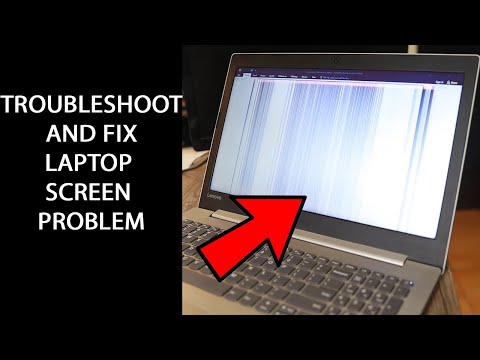
By Torogi Pro Laptop Display Screen Problem How to troubleshoot and repair it yourself by Torogi Pro

Title: How to fix blank screen with cursor issue on windows
Channel: Scrandalftech
How to fix blank screen with cursor issue on windows by Scrandalftech
Change Wifi Settings
Black Laptop Screen? FIXED! (Insane Trick Inside!)
Have you encountered the dreaded heart-stopping moment: you press the power button on your laptop, the fan whirs to life, the keyboard illuminates, but the screen remains stubbornly, ominously black? Panic threatens to set in. Your work, your memories, your very digital life feels threatened. But before you resign yourself to expensive repairs or data recovery nightmares, know this: you are not alone, and more often than not, a black laptop screen is a solvable problem. And, as the title suggests, we do have an insane trick to help you resurrect your digital companion, but let’s explore the common culprits and tried-and-true fixes before revealing our ace.
Understanding the Black Screen Phenomenon: The Usual Suspects
A black laptop screen, sometimes referred to as a "black screen of death" (though thankfully, not always as terminal as its desktop PC counterpart) can stem from a multitude of sources. Pinpointing the exact cause is crucial for a swift resolution. Let's delve into the primary suspects.
The Display Issue: This is often the first area to investigate. It encompasses everything from a loose or faulty connection within the display cable to a completely failed LCD panel. The backlight, responsible for illuminating the screen, might have burned out, leaving you with a seemingly black screen.
Software Glitches: A corrupted operating system, a driver issue, or a conflict within your software environment can cause a black screen. This is particularly common after software updates or driver installations gone awry.
Hardware Malfunctions: While display issues are the most common, other hardware components can contribute. A failing graphics card, faulty RAM, or a problematic hard drive can all potentially lead to a black screen.
External Monitor Confusion: Occasionally, your laptop might mistake an external monitor for the primary display. If your laptop thinks it's displaying on an external monitor that isn't connected, you'll see nothing on the laptop screen itself.
Preliminary Checks and Basic Troubleshooting: A First Line of Defense
Before reaching for advanced solutions, perform these basic checks to rule out simpler causes:
Power and Battery: Ensure your laptop is adequately powered. Plug your charger in securely and allow it to charge for at least 30 minutes. Sometimes, a depleted battery can manifest as a black screen.
External Display Test: Connect your laptop to an external monitor or TV via HDMI or VGA. If the external display works, the problem likely lies with your laptop's screen or its connections. This is a critical diagnostic step.
Listen for Sounds: Even with a black screen, your laptop might still be booting up. Listen for the Windows startup chime or the spinning sound of your hard drive. These sounds indicate that your system is, in fact, functioning, even if the screen betrays you.
The Brightness Adjustment: Believe it or not, sometimes your screen brightness is simply turned all the way down! Press the brightness increase keys (usually function keys with a sun icon) a few times to see if you can bring the screen back to life.
The Reboot: A simple restart can resolve temporary software glitches. Press and hold the power button until the laptop shuts down completely. Then, restart it and see if the screen returns.
Advanced Troubleshooting Techniques: Delving Deeper into the Darkness
If the preliminary checks fail, the situation demands more advanced troubleshooting. Here's where we get to the meat of the matter.
Force Shutdown and Restart (For Severe Glitches): If your laptop is unresponsive, you might need to perform a forced shutdown. Press and hold the power button for at least 10-15 seconds. This forces the system to shut down. Then, start it back up and see if the issue has resolved itself.
Boot into Safe Mode (For Software-Related Issues): Safe Mode boots your computer with a minimal set of drivers and software. This is an excellent way to determine if a software conflict or driver issue is causing the black screen. To enter Safe Mode:
Windows: Repeatedly press the F8 key (or Shift + F8, depending on your system) during startup until you see the Advanced Boot Options menu. Select "Safe Mode." Alternatively, if Windows won't boot, you might need to interrupt the boot process three times to access the Automatic Repair environment. From here, you can often access Safe Mode.
macOS: Restart your Mac. Immediately press and hold the Shift key until you see the login window.
If the laptop works in Safe Mode, you can then try to remove recently installed software or update/reinstall drivers, starting with display drivers.
Check for External Connections and Devices: Unplug all external devices, including printers, USB drives, and external hard drives. Sometimes, a faulty external device can prevent the laptop from booting correctly.
BIOS/UEFI Access: Certain issues can be identified or resolved within the BIOS/UEFI settings. Access to this menu usually requires pressing a specific key during the startup (e.g., Delete, F2, F12, or Esc). Consult your laptop's manual for the precise key. Within the BIOS/UEFI, check for any display-related settings.
Inspect the Display Cable (If you're comfortable): Important: This requires technical skill and caution. If you're not comfortable opening your laptop, do not attempt this. Refer to your laptop's service manual or online guides specific to your model. Carefully disconnect the display cable from the motherboard and reseat it. Inspect the cable for any noticeable damage.
RAM Troubleshooting: Faulty RAM can sometimes cause a black screen. Try removing and reseating your RAM modules. You can also test each module individually to see if one is causing the problem. Again, if you are not comfortable with this, seek professional help.
The Insane Trick: The Hidden Reset
Now, for the moment you've been waiting for: the insane trick! We've found that a surprisingly simple procedure often resolves these issues on a variety of laptops. It works especially well if the problem is a driver-related conflict or a minor software glitch. Here's the procedure:
- Completely Power Down: Ensure your laptop is powered off, and the charger is unplugged.
- Remove the Battery: This step is crucial! Most laptops have removable batteries. Locate the battery release latch and remove the battery. If your battery is built-in, you’ll have to skip to the next step.
- Press and Hold the Power Button: Press and hold the power button for a full 60 seconds. This drains any residual power and resets certain internal components.
- Reinstall the Battery: Reinstall the battery (if applicable).
- Plug in the Charger: Reconnect the power adapter.
- Power On: Try turning the laptop on again.
The 60-second power button press flushes out any lingering charge in the system and can often reset the display’s connection to the motherboard, resolving the black screen. We've seen this work astonishingly often, even in cases where more complex troubleshooting had previously failed. Give it a try; you have nothing to lose!
What to Do If the Trick Fails (and What Not To Do)
If the "insane trick" – or any of the other troubleshooting steps – fail to resolve the black screen, it's time to adjust your expectations and consider further options.
- Data Recovery First: Before you resort to extensive repairs or replacements, back up your data. Even if the screen is black, your hard drive (or SSD) might still be functional. Remove it and connect it to another computer using a SATA-to-USB adapter to retrieve your files.
- Professional Repair: If you're not comfortable with the technical aspects of laptop repair, take your laptop to a qualified repair shop. Describe the steps you've already taken to avoid unnecessary diagnostics fees.
- Component Replacement: Be prepared for the possibility of replacing components. This could be the display itself (often the most likely culprit) the motherboard, or the graphics card.
Preventive Measures and Future-Proofing
Preventing a black screen, or at least minimizing the risk, is always preferable. Consider these preventive measures:
- Regular Software Updates: Keep your operating system, drivers, and software up to date. These updates often contain bug fixes and performance improvements.
- Driver Management: Be cautious when installing new drivers. Download them from the manufacturer's website to avoid compatibility issues.
- Proper Cooling: Ensure your laptop has adequate cooling. Clean the air vents regularly, and use a laptop cooler if necessary, especially during intensive tasks.
- Avoid Physical Damage: Protect your laptop from bumps, drops, and spills. Physical damage can lead to all sorts of display and hardware problems.
Conclusion: Your Laptop’s Future is Bright!
A black laptop screen can be a frustrating experience, but remember: it's rarely the end of the line. Employing the troubleshooting steps we've provided, including our "insane trick," gives a fighting chance to resurrect your digital companion. Approach the problem systematically, work through the checks, and remain patient. With some luck, or perhaps a bit of our “insane trick” magic, you’ll be back online in no time. And remember: always back up your data! Good luck!
