10 year old laptop works fine upgrade

Title: I made this 10 years old Laptop Super-fast shorts
Channel: Prince Shah
I made this 10 years old Laptop Super-fast shorts by Prince Shah
10-Year-Old Laptop Still Running? Upgrade Secrets Revealed!
Is Your Ancient Laptop Still Kicking? Breathe New Life Into Old Tech!
Remember that trusty laptop, the one you thought was bound for the digital graveyard years ago? Astonishingly, it might still be chugging along! So, before you consign it to the dustbin of technology, let's delve into the secrets of revitalizing your aging digital companion. We're not just talking about a minor performance tweak. We're aiming for a genuine, noticeable improvement.
The Surprisingly Strong Case for Keeping Your Old Laptop
Why cling to that relic? Well, it might surprise you, but there are compelling reasons. Firstly, think about the undeniable environmental impact. Upgrading less frequently minimizes electronic waste. Then, consider the cost. Buying a new laptop represents a significant financial outlay. Therefore, breathing life into your old one is budget-friendly in the short term. Furthermore, it’s surprisingly satisfying to coax performance from something you thought obsolete. Believe me, there's a certain pride involved in keeping things running.
Revving Up the Engine: Hardware Upgrades That Matter
Let's get down to brass tacks. A few key hardware upgrades can dramatically improve performance. First, we will consider the hard drive. Switching from a traditional Hard Disk Drive (HDD) to a modern Solid State Drive (SSD) is almost always the single most impactful upgrade. An SSD offers significantly faster read and write speeds. Consequently, your laptop will boot up quicker. Applications will launch faster. Everything will feel snappier. Moreover, installing more RAM (Random Access Memory) is another essential. If your laptop is struggling with multiple applications, more RAM alleviates the bottleneck. You'll notice a marked difference in multitasking. So, how do you figure out which upgrades are right for your laptop?
Diagnosing the Problem: Pinpointing Performance Bottlenecks
Before blindly throwing money at upgrades, perform a brief diagnosis. Identify the areas where your laptop struggles. Is it freezing? Long loading times? Consider opening the task manager while using intensive applications. This shows you quickly what's eating up resources. Observe CPU usage, RAM usage, and disk activity. If your disk usage is constantly at 100%, replacing the HDD with an SSD is almost non-negotiable. Similarly, low RAM will manifest as sluggish performance. In that case, consider an upgrade. Also, old operating systems often contribute to slowdowns. Therefore, consider a fresh install or a system restore.
Unleashing the Beast: Step-by-Step Upgrade Guide
Ready to get started? Here's a simplified guide. First, research your laptop model for compatibility. SSD sizes and RAM types vary. You need to purchase components that match your laptop's specifications. Second, back up your data! This is critical. Creating a system image is the safest approach. Third, consider opening your laptop carefully. This is where a screwdriver and a steady hand come into play. Locate the hard drive and RAM slots. Consult your laptop's manual or online tutorials for specific instructions. Fourth, carefully install the new components. Make sure everything is seated correctly. Finally, reinstall the operating system (if undertaking a fresh install). This is an excellent opportunity to start with a clean slate.
Software Tweaks: Optimizing Your Operating System
While hardware upgrades provide the biggest boost, software optimization is crucial. Start by removing unnecessary programs. Uninstall software you no longer need. These programs consume precious resources. After that, disable startup programs. Many applications launch automatically when your laptop boots. You can manage these through the task manager. Furthermore, keep your operating system updated. Software updates often include performance improvements and bug fixes. Also, run regular disk cleanup and defragmentation (if using a HDD). This helps keep your files organized. Consider using a lightweight antivirus, too.
Extending the Lifespan: Preventative Maintenance Tips
Taking care of your laptop is crucial for extending its lifespan. Start by keeping it clean. Clean the keyboard and screen regularly with appropriate cleaning solutions. Also, address potential overheating issues. Dust can accumulate inside the laptop, blocking airflow. Use compressed air to remove it. Furthermore, avoid extreme temperatures. Don't leave your laptop in direct sunlight or a freezing car. Also, handle your laptop gently. Drops or impacts can damage internal components. Finally, invest in a good quality laptop bag for transport.
Is It Worth It? Evaluating the Cost-Benefit Ratio
So, is it worth upgrading your old laptop? The answer depends. Consider the cost of the parts. Factor in your time and effort. Compare this to the cost of a new laptop. Also, consider your needs. If your primary use is web browsing, email, and light document editing, upgrading is likely worthwhile. However, if you require demanding applications like video editing or gaming, a new laptop might be a better long-term investment. But, if you’re on a budget, give it a go!
Beyond the Basics: Additional Tips and Tricks
Here are a few added tips. Firstly, experiment with different operating systems. Lightweight Linux distributions are a great option for older hardware. They provide a lean, efficient experience. Secondly, consider external storage. A fast external hard drive or SSD can offload files. This prevents the laptop hard drive from becoming overwhelmed. Thirdly, research specific tutorials. Many online resources offer step-by-step guides for upgrading various laptop models. Finally, embrace the challenge! Reviving an old laptop is a rewarding experience.
The Bottom Line: Giving Old Tech a New Lease on Life
Don't be so quick to write off your aging laptop. Significant performance improvements are often achievable through strategic upgrades. By investing time and money, you can breathe new life into your trusty companion. With a few targeted changes, your laptop could return to productivity, helping you save money and minimize electronic waste. Therefore, embrace the opportunity to learn a new skill, save some cash, and make your digital life a little more fulfilling. So, go forth and upgrade!
Unleash Your Potential: The BEST Laptop for Work & Play!10-Year-Old Laptop Still Running? Upgrade Secrets Revealed!
We’ve all been there, staring at a screen that feels like it’s running in molasses. That trusty laptop, the one that’s seen you through countless late-night study sessions, binge-watching marathons, and maybe even a few virtual world conquests. But a decade? Seriously? If your 10-year-old laptop is still chugging along, you're either a wizard, unbelievably lucky, or maybe… just maybe… you've stumbled upon a secret. Well, welcome! We're about to unlock those secrets and get your old friend purring like a kitten (or at least, running a bit faster than a sloth on sedatives). This isn't just about "upgrading"; it's about breathing new life into a digital elder, a testament to the enduring power of technology and a little bit of savvy.
Chapter 1: The Saga of the Silver Surfer: Why Your Old Laptop Refuses to Die
Let's face it, a 10-year-old laptop is more than just tech; it's a survivor. It's seen the rise and fall of social media trends, the evolution of operating systems, and the relentless march of Moore's Law. So, why does it still work? Well, a few factors are at play.
- Robust Build Quality: Back in the day, things were built to last. Manufacturers used more durable materials and less flimsy components. Think of it like a classic car – built for the long haul.
- Simple Needs (Sometimes): If your usage is primarily focused on word processing, email, and light web browsing, your laptop might not be pushing its limits. It’s the digital equivalent of an easy commute.
- Pure Luck (A Dash of It): Sometimes, you just get lucky. No catastrophic hardware failures? You win!
But let's be honest, even the toughest of laptops can't defy the ravages of time and the ever-increasing demands of modern software.
Chapter 2: The Symptoms of Digital Senility: Is Your Laptop Ready for a Tune-Up?
Before we dive into the upgrade secrets, let's diagnose the patient. Does your laptop exhibit any of these telltale signs of digital aging?
- The Tortoise Mode: Does everything take an eternity to load? Applications? Websites? Even the simplest task feels like wading through treacle?
- The Endless Spinning Circle/Hourglass: This is the bane of every laptop user's existence. Constantly waiting for the machine to respond?
- The Crash-and-Burn Syndrome: Frequent crashes, blue screens of death, and unexplained shutdowns are never a good sign.
- The “Out of Storage” Blues: Low storage space is a common ailment, especially with the increasing size of photos, videos, and software.
- The "Loud and Proud" Fan: Does your laptop sound like a jet engine taking off? Excessive fan noise often indicates overheating and stressed components.
If you're nodding along to these symptoms, it's time for an intervention.
Chapter 3: The Low-Hanging Fruit: Simple Tweaks for a Quick Boost
Before you start thinking about massive overhauls, let's try some easy wins. Think of these as the digital equivalent of a healthy diet and regular exercise.
- Declutter Your Digital Life: That's right, delete unnecessary files, old programs, and anything else that's hogging precious space. It's like clearing out the junk in your attic.
- Run a Disk Cleanup: Windows has a built-in tool to remove temporary files and other clutter. It's a quick and easy way to free up space.
- Uninstall Bloatware: Those pre-installed programs that you never use? Get rid of them! They often run in the background, consuming valuable resources.
- Update Your Software and Drivers: Keeping your operating system, applications, and hardware drivers up-to-date ensures that your laptop is running as efficiently as possible.
- A Fresh Restart: Sometimes, all your laptop needs is a good old-fashioned reboot. It's like hitting the reset button on your brain.
These simple steps can often make a noticeable difference.
Chapter 4: The SSD Savior: Reviving Your Laptop with Solid-State Speed
This is the single most impactful upgrade you can make: swapping out your old hard drive (HDD) for a Solid State Drive (SSD). Think of it like upgrading from a horse-drawn carriage to a sports car.
- Why SSDs are Game Changers: SSDs use flash memory, making them significantly faster than traditional HDDs. They have near-instant boot times, quicker application loading, and overall snappier performance.
- The Process: This involves opening up your laptop (be careful!), removing the old hard drive, and installing the SSD. You'll then need to clone your old drive’s contents to the SSD or perform a fresh install of your operating system. Plenty of online tutorials are available to guide you.
- Cost vs. Benefit: SSDs are relatively affordable these days, and the performance boost is well worth the investment. Trust me, you will notice the difference.
Chapter 5: RAM Ramp-Up: Giving Your Laptop More Memory Muscle
RAM (Random Access Memory) is your laptop's short-term memory. If it's low on RAM, your laptop will struggle to handle multiple tasks or run resource-intensive applications.
- Check Your Current RAM: Find out how much RAM your laptop has and what the maximum capacity is.
- The Upgrade: Adding more RAM is usually a straightforward process. You’ll need to open up your laptop (again, be careful!) and install new RAM modules.
- The Impact: More RAM means your laptop can handle more applications simultaneously and run them more smoothly.
Chapter 6: The Battery Blues: Extending the Lifespan of Your Energy Source
A dying battery is a common problem in older laptops. It limits your mobility and productivity.
- Battery Replacement: Consider replacing your battery if its lifespan has significantly diminished.
- Optimize Battery Usage: Adjust your power settings to optimize battery life. Lower the screen brightness, disable unnecessary features, and avoid keeping the battery constantly plugged in.
Chapter 7: The Software Shuffle: Choosing the Right Tools for the Job
What operating system are you running? Are you still clinging to Windows 7? Maybe it's time to consider a change.
- Operating System Considerations: Modern operating systems (like Windows 10 or 11) have higher system requirements. If your laptop is truly ancient, it might struggle.
- Lightweight Linux Distributions: Linux distributions like Ubuntu, Lubuntu, or Xubuntu are designed for older hardware and can provide a snappy user experience. They're often free to use and incredibly versatile.
- Software Optimization: Use lightweight versions of your essential programs and avoid resource-intensive applications.
Chapter 8: The Thermal Treat: Cooling Down Your Digital Companion
Overheating can significantly reduce your laptop's performance and lifespan.
- Dust the Interior: Dust bunnies are the enemy of any computer. Open up your laptop and carefully clean out the dust from the fan and heat sink.
- Laptop Cooling Pads: These are external devices that can help dissipate heat. They're a good option if overheating is a persistent issue.
Chapter 9: The Ethical Element: Should You Really Upgrade or Replace?
Before investing in upgrades, consider the cost-benefit analysis and environmental impact.
- Cost vs. Performance: Will the upgrades significantly improve performance and extend the useful life of your laptop? Or would you be better off saving up for a new one?
- The Environmental Factor: Upgrading your laptop is generally more environmentally friendly than purchasing a new one. Recycling your old laptop properly is also crucial.
Chapter 10: The Data Dance: Backing Up Your Precious Memories
Before undertaking any upgrades, back up your data! Photos, documents, videos – losing these is a digital tragedy.
- Backup Methods: Use an external hard drive, cloud storage (like Google Drive or Dropbox), or a combination of both.
- Regular Backups: Make it a habit to back up your data regularly to protect yourself from data loss.
Chapter 11: The Upgrade Checklist: A Step-by-Step Guide
Before you begin, create a plan of action.
- Assess Your Needs: What tasks do you primarily use your laptop for?
- Research Compatibility: Make sure the upgrades you choose are compatible with your laptop model.
- Gather Your Tools: You'll need a screwdriver, potentially a SATA to USB adapter for cloning your drive, and the necessary software.
- Follow Instructions Carefully: Refer to online tutorials and documentation to make sure you’re performing the upgrades safely and correctly.
Chapter 12: The DIY Dilemma: Should You Upgrade Yourself or Seek Help?
- DIY Advantages: Saves money and provides hands-on experience.
- DIY Disadvantages: Potential for mistakes, risk of damaging your laptop, and time commitment.
- Professional Help: Consider taking your laptop to a professional computer repair shop if you are not comfortable performing the upgrades yourself.
Chapter 13: The Aftermath: Maintaining Your Newly Revived Laptop
- Regular Maintenance: Keep your laptop clean and
I upgraded my 10 year old laptop - Dell Inspiron 1721

By SergeantPope - Komada Computer Repair I upgraded my 10 year old laptop - Dell Inspiron 1721 by SergeantPope - Komada Computer Repair
Can You UPGRADE OLD LAPTOPS and is it Worth it

By Online Tech Tips Can You UPGRADE OLD LAPTOPS and is it Worth it by Online Tech Tips
Upgrading a 10-year-old laptop. Is it worth it

By Amateur Hardware Repair Upgrading a 10-year-old laptop. Is it worth it by Amateur Hardware Repair
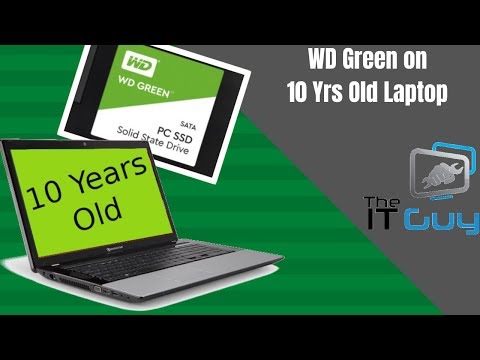
Title: 10 Year old Laptop SSD Upgrade. Is it worth it
Channel: Herbertech
10 Year old Laptop SSD Upgrade. Is it worth it by Herbertech
Wifi Not Found
10-Year-Old Laptop Still Running? Upgrade Secrets Revealed!
The faithful hum of a decade-old laptop. A testament to enduring digital companionship. Its aged chassis holds countless memories, projects, and perhaps a few lingering regrets for software updates long ignored. But its continued operation signifies a resilience worth acknowledging, and more importantly, preserving. Before consigning this veteran of the digital age to the recycling bin, let's explore the upgrade secrets that can breathe new life into your ten-year-old laptop, transforming it from a creaking relic to a capable, if not sprightly, machine.
Assessing the Hardware: A Preliminary Examination
The journey to revitalizing your laptop begins not with software, but with hardware. A thorough inspection is paramount. Consider your laptop's specific model. Knowing this – the make and exact model number – provides access to its original specifications. Armed with these details, we can assess its capabilities and limitations with greater precision.
Battery Health: A ten-year-old battery is, understandably, nearing the end of its tether. Diagnose its performance. Does it hold a charge? Does it rapidly deplete? Replacement batteries are readily available specifically designed to meet the original standards of the laptop's manufacture. A fresh battery can dramatically improve portability and usability allowing you to work or play without being tethered to an outlet.
Physical Integrity: Examine the physical condition of the device. Are there any cracks, dents, or signs of physical damage? Ensure the screen is free from significant scratches or dead pixels. Check the keyboard keys for proper function. Inspect the charging port and other ports (USB, HDMI, etc.) for any loose connections or damage. Repairing these components is often more cost-effective than outright replacement, and can significantly extend the laptop's lifespan.
Internal Inspection (Proceed with caution!): If comfortable, open the laptop casing (consult a service manual specific to your model). Visually inspect the components for dust buildup. Excessive dust can lead to overheating and performance degradation. Carefully clean the fan and vents with compressed air designed for electronics. Be cautious to avoid damaging components you might bump during this process.
The Core of Performance: Upgrading the Storage Drive
The single most impactful upgrade for a ten-year-old laptop is swapping out that aging hard disk drive (HDD) for a solid-state drive (SSD). The difference in speed is nothing short of revolutionary. This is the single most significant upgrade that can be performed, offering an immediate and noticeable speed jump.
SSD Advantages: Unlike HDDs, SSDs utilize flash memory, offering vastly faster read/write speeds. This translates into significantly quicker boot times, faster application loading, and a more responsive overall user experience. The lack of moving parts also makes them more resistant to physical shocks, which is a significant benefit for a laptop.
Choosing the Right SSD: Consider the storage capacity you need. For basic tasks like web browsing and document creation, a 256GB or 512GB SSD is often sufficient. If you have large media files or plan to store a significant amount of software, opt for a 1TB or 2TB SSD. Ensure compatibility with the laptop's interface. Most older laptops use SATA connections, so ensure you purchase a SATA SSD.
Installation Process: Back up all your important data before beginning the upgrade. Consult your laptop's service manual for instructions on how to access the hard drive bay. The process usually involves removing screws, detaching the old HDD, and installing the SSD in its place, connecting the SATA cables. Then, either reinstall the operating system or clone the existing drive onto the new SSD.
Boosting Random Access Memory (RAM): Enhancing Multitasking
RAM, or Random Access Memory, is the laptop's short-term memory. Increasing RAM can significantly improve multitasking capabilities, allowing you to run multiple applications simultaneously without experiencing performance slowdowns.
Determining RAM Capacity and Compatibility: Find out how much RAM your laptop currently has. Most older laptops can handle at least 4GB or 8GB of RAM. Consult the laptop's specifications to determine the maximum supported RAM capacity and the type of RAM it uses (e.g., DDR3, DDR4).
RAM Upgrade Considerations: If your laptop has two RAM slots, and using a pair of matching RAM modules is preferable to using a single, larger module. The performance of using two matching RAM modules will improve the performance via Dual channel mode.
Installation Procedures: Opening the laptop casing and locating the RAM slots is necessary. The RAM modules are typically secured by clips on either side. Carefully remove the old RAM modules and replace them with the new ones, ensuring they are properly seated and the clips snap into place.
Operating System Optimization: Shedding the Digital Clutter
An outdated operating system can significantly impact performance. Upgrading or optimizing the operating system can have a considerable benefit.
Consider the Operating System: If your laptop is running an older version of Windows (e.g., Windows 7 or Windows 8), consider upgrading to a more recent version (e.g., Windows 10 or Windows 11). While Windows 11 has minimum hardware requirements, Windows 10 is often a suitable option compatible with older hardware. Before upgrading assess your laptop's performance with the new OS. You may need to revert to a previous version if performance is too slow.
Clean Installation vs. Upgrade: A clean installation of the operating system is often recommended as it removes accumulated junk files, temporary files, and registry entries that can slow down your system. If possible, back up your data and perform a clean install.
Software Management: Regularly uninstall unused applications and programs. These can consume system resources and slow down your laptop. Defragment your hard drive to further optimize its performance.
Software Optimization: Streamlining the Digital Experience
Beyond the operating system, the software you run can also impact performance.
Lightweight Applications: Using lightweight versions of applications.
Disable Startup Programs: Many programs launch automatically at startup, consuming system resources. Disable unnecessary startup programs to speed up boot times and improve overall performance.
Regular Maintenance: Install anti-virus software and update it regularly. Run disk cleanup tools to remove temporary files. Perform regular disk defragmentation, especially if still using an HDD.
The User Experience: Personalization and Accessibility
Beyond the core upgrades, consider the user experience.
Customize the Desktop: Personalize the desktop with settings like themes and backgrounds that appeal to you. Consider using a lightweight desktop environment if the performance is still an issue.
Font and Display Settings: Adjust the font size and display settings to make improve readability.
Accessibility Features: Explore any accessibility settings, features, or options built into the OS. Such features as high contrast mode, screen readers and screen magnifiers can improve usability for users with specific needs.
The Final Touches: Fine-Tuning the Laptop's Performance
After performing hardware and software upgrades, it is imperative to fine-tune your laptop.
Driver Updates: Ensure all drivers are up to date for the hardware. Outdated drivers can cause software compatibility issues.
Power Management: Adjust power settings to optimize performance or battery life, as desired.
Regular Maintenance: Once you've breathed new life into your laptop, remember to perform regular maintenance tasks. This includes disk cleanup, defragmentation (if applicable), and keeping your operating system and software up to date.
Conclusion: A New Lease on Life
Upgrading a ten-year-old laptop is not merely a technical exercise. It's a conscious act of salvaging a piece of personal history, giving it a new lease on life. By carefully considering your laptop's hardware, upgrading its storage and RAM, optimizing your operating system and software, and fine-tuning its settings, you can extend its lifespan and enjoy a more responsive and efficient computing experience. Embrace the challenge. Take the time to breathe new life into your old laptop. The rewards – a revived machine and a revitalized legacy – are well worth the effort.
