brightness settings not working laptop
Title: WINDOWS 10 Brightness Control Not Working QUICK FIX NO RESTART
Channel: Cretizer
WINDOWS 10 Brightness Control Not Working QUICK FIX NO RESTART by Cretizer
brightness setting not working laptop, brightness control not working hp laptop, brightness control not working dell laptop, why my laptop brightness button is not working, why my laptop brightness is not working
Laptop Brightness Refuses to Budge? FIX IT NOW!
Laptop Brightness Blues: Banish the Gloom and Regain Control!
Have you ever felt like your laptop screen is stuck in a permanent twilight zone? Is the brightness stubbornly refusing to cooperate, leaving you squinting and straining your eyes? You’re not alone. This frustrating issue plagues countless laptop users. Luckily, we're here to help. We’ll delve into common culprits and reveal some straightforward fixes. So, prepare to reclaim your visual comfort and banish the brightness blues for good!
The Dimming Dilemma: Decoding the Reasons
The flickering screen, or the stubborn dimness, can be a real headache. First, consider the operating system nuances. Is your Windows or MacOS device giving you trouble? Perhaps your laptop’s settings are playing a sneaky game. It is important to address potential culprits. Therefore, let's uncover the underlying causes. Furthermore, these issues often stem from simpler problems than you might think.
One likely culprit is the power settings. Many laptops have power-saving modes. These modes automatically dim the screen to conserve battery life. Consequently, this can often be the root of the problem. Another possibility involves outdated or corrupt display drivers. These drivers act as the communication bridge. They link your operating system to your laptop's display hardware. Ultimately, faulty drivers can severely impact brightness control functions.
External factors also frequently play a role. The ambient light sensor, if present, might be malfunctioning. This sensor automatically adjusts screen brightness. It senses the light levels in your environment. In addition, even a minor software glitch can trigger unexpected brightness adjustments.
Power Play: Tweaking the Settings
Let's begin with the most common and easiest fix: the power settings. First, access your laptop’s power plan settings. If you're on Windows, you can locate them through the Control Panel or Settings app. On a Mac, access the Energy Saver preferences. Make sure your power plan is set to "Balanced" or "High Performance". These profiles generally allow for the correct brightness levels.
Next, carefully examine the brightness slider within these power settings. This is usually the primary control. Ensure it is set to the desired level. Sometimes, the slider may be inadvertently set too low. Moreover, check the "Adaptive brightness" or "Automatic brightness adjustment" feature. It's also wise to turn it off. This feature can sometimes interfere with manual brightness controls.
Driver's Seat: Updating Display Drivers
Outdated or corrupted display drivers can wreak havoc on screen brightness. Therefore, updating your drivers is a crucial step. Windows users can update drivers through the Device Manager. Search for “Device Manager” within the Windows search bar. Expand the "Display adapters" section. Right-click on your graphics card (e.g., Intel HD Graphics, NVIDIA GeForce). Then, select "Update driver".
Alternatively, you can visit your laptop manufacturer's website. Download the latest display drivers directly from there. Mac users generally receive driver updates through system updates. Make sure your operating system is up to date. This often includes the latest driver updates.
Knock, Knock: Checking External Factors
If power settings and drivers don't solve the problem, investigate external factors. If your laptop has an ambient light sensor, make sure it’s not obstructed. This obstruction could be by a sticker or a misplaced object. Try cleaning the sensor. Sometimes dust or debris can interfere with its function.
Furthermore, consider external factors that may be contributing. External monitors connected to your laptop can sometimes influence brightness settings. Disconnect the external monitor temporarily. Then, test the brightness on your laptop's screen again. This will help determine if the monitor is the root of the problem.
Software Showdown: Identifying Software Conflicts
Occasionally, specific software programs may interfere with brightness controls. These are uncommon but do occur. Try closing all running applications. Then, check if the brightness control returns to normal. If it does, start reopening applications one by one. Identify which application is causing the issue. You could also try reinstalling that particular software.
Sometimes, third-party brightness control software can also cause problems. If you recently installed such software, try uninstalling it. Then, see if your laptop's brightness functions normally. Because these programs alter the settings for you, it is important to ensure functionality.
Beyond the Basics: Advanced Troubleshooting
If these steps haven’t worked, you might consider more advanced troubleshooting. First, perform a system restore to an earlier point. This will uninstall recent changes that may be causing the issue. Additionally, inspect the laptop's physical connections. Ensure that the screen cable inside the laptop is securely connected.
Consulting your laptop's manual and the manufacturer’s support website is always a good idea. Many manufacturers provide detailed troubleshooting guides. These guides are specific to your laptop model. Finally, if you've exhausted all other options, consider a professional repair. A hardware issue might be the underlying cause.
Brightness Back in Your Hands: Final Thoughts
Laptop brightness frustrations are manageable with the right approach. We’ve covered power settings, drivers, and external factors. We've also discussed software conflicts and advanced troubleshooting. Moreover, patience is essential. You must go through these steps methodically. Most importantly, you can conquer these issues.
By following these steps carefully, you should be able to regain control. You can restore your laptop's screen brightness. Ultimately, this will help you enjoy a more comfortable and productive computing experience. So, go forth and banish the gloom! Brightness is now within your grasp!
Dell Laptop Keyboard Nightmare: Keys NOT Working! (Solved Inside!)Laptop Brightness Refuses to Budge? FIX IT NOW!
Ah, the digital age! We're all connected – glued to our screens, basking (or squinting!) in the glow of our laptops. But what happens when that glow turns into a dim, frustrating haze? When your laptop brightness refuses to budge, it can feel like being trapped in a perpetually overcast day. We've all been there, haven't we? Today, we’re diving headfirst into this common tech predicament, equipping you with the knowledge (and the solutions!) to reclaim your screen's brilliance. Forget those frustrating settings and that squinting habit. Let's get your laptop shining again!
1. The Case of the Vanishing Lumens: Why Your Screen's Dark Days Began
Before we start flipping switches and fiddling with sliders, let's unravel the mystery. Why has your laptop’s brightness gone AWOL? Several culprits might be lurking in the shadows, waiting to dim your digital experience. Think of it like this: your laptop's display is a stage, and the brightness is the spotlight. Something's blocking the light – either intentionally or accidentally.
One of the most common culprits? The Function Keys. Those little keys at the top row of your keyboard, adorned with sun icons (or sometimes, just sun-shaped rising lines), are your primary brightness controllers. Sometimes, though, these commands get…stuck. Or maybe you have a dodgy driver that’s playing tricks.
Then there’s the operating system itself, and its power management settings. Sometimes, your laptop thinks it's being helpful by dimming your screen to save battery life. But that “helpful” feature can quickly become a massive annoyance.
Finally, let's not forget the display driver. It's the software that tells your computer how to talk to the screen. If it's outdated, corrupted, or just plain incompatible, it can wreak havoc on your brightness levels. We'll address each of these potential villains head-on.
2. Function Key Fumbling: The Simple First Step
It sounds ridiculously simple, I know. But trust me, it’s the first place to start. Try pressing the brightness up (sun with a rising line) and down (sun with a declining line) keys. You might need to press them in conjunction with the “Fn” (Function) key, located near the Ctrl or Alt keys.
- The Procedure:
- Locate the sun-shaped icons on your function keys.
- Press and hold the "Fn" key (if required for your model).
- Press the brightness up key repeatedly.
- Still no joy? Try the brightness down key, just to make sure you're not accidentally dimming it.
If those keys aren't working the way they should, we’ll move onto other solutions.
3. Power Management Shenanigans: Taming the Battery Beast
Windows and macOS both have power-saving features that can automatically adjust screen brightness. Sometimes, they're overly enthusiastic.
For Windows:
- Head to the Control Panel: You can usually find it by typing "Control Panel" in the search bar (the little magnifying glass icon).
- Navigate to Power Options: Click on "Hardware and Sound," then "Power Options."
- Check Your Power Plan: Look at your current power plan (e.g., "Balanced," "Power saver"). Click "Change plan settings" next to your active plan.
- Adjust the Settings: Click "Change advanced power settings." In the window that appears, explore options like "Display" and "Display brightness" to adjust the screen settings on both battery and when plugged in. Ensure "Turn off display after" isn't set to something ridiculously short.
For macOS:
- Open System Preferences: Click the Apple icon in the top-left corner of your screen, then select "System Preferences."
- Go to Displays: Click on the "Displays" icon.
- Adjust Brightness: Use the brightness slider to adjust the level as desired.
- Check Automatic Brightness: Ensure that "Automatically adjust brightness" is disabled if you want to be completely in control.
These adjustments should prevent your system from automatically dimming your screen, bringing you one step closer to the brightness you desire.
4. Driver Disaster Zone: The Importance of Updated Display Drivers
Think of a display driver as the translator between your computer and your screen. If the translator is speaking gibberish (an outdated driver), your screen won't understand the instructions.
Updating Drivers in Windows:
- Open Device Manager: Right-click the Windows start button and select "Device Manager."
- Expand Display Adapters: Click the arrow next to "Display adapters" to expand the list.
- Update the Driver: Right-click your display adapter (like your Intel or NVIDIA graphics card) and select "Update driver." Choose "Search automatically for drivers." Windows will try to find and install the latest driver.
- Manual Update: If Windows can't find an update, visit the manufacturer's website (Intel, NVIDIA, AMD) and download the latest driver for your laptop model and operating system.
Updating Drivers in macOS: macOS generally handles driver updates automatically. Make sure your operating system is up-to-date by going to System Preferences > Software Update.
Updating the driver is quite often the magic key to unlocking full brightness!
5. The Troubleshooting Toolkit: Deeper Dives into the Darkness
Still no luck? Don't despair! Let’s dive deeper into some less common, but potentially effective, solutions:
- Check Ambient Light Sensors: Some laptops have sensors that automatically adjust brightness based on the surrounding light. These can sometimes malfunction. Check your laptop's manual to see if you can disable or recalibrate the light sensor.
- Look for Software Conflicts: Certain software, particularly those related to display settings or graphics, can sometimes interfere with brightness. Try closing any unnecessary programs and see if the problem resolves.
- External Monitor Test: Connect your laptop to an external monitor. If the external monitor’s brightness adjusts as expected, it suggests the issue is with your laptop’s display or its connection.
6. The Screen Saver Saga: A Hidden Brightness Culprit
Believe it or not, your screen saver can be another source of brightness issues. Some screen savers are designed to dim the screen significantly.
- To Check and Adjust:
- Windows: Go to the Control Panel > Personalization > Screen Saver. Check the settings. You can set the screen saver to "None" or adjust the wait time and other settings.
- macOS: Go to System Preferences > Desktop & Screen Saver. Adjust screen saver settings here.
7. Stuck in the Shadow: Dealing with Potential Hardware Issues
If you've tried everything and your brightness still won't budge, it's time to consider the possibility of a hardware problem.
- The Inverter or Backlight: Your laptop's display has a backlight, responsible for lighting up the screen, and an inverter, which powers the backlight. A failing inverter or backlight could be the culprit.
- The Display Cable: A loose or damaged display cable connecting the screen to the motherboard can also cause brightness issues.
- Professional Help is Needed: Diagnosing and repairing hardware problems generally requires the expertise of a qualified technician.
Hardware problems are always the worst-case scenario, but the good news is they can almost always be fixed!
8. Brightness Through the Browser: A Web-Based Workaround
If the problem is isolated to certain applications, there might be a setting that you can tweak through the browser.
- Browser Brightness Adjustment: Some browsers, such as Chrome, have settings that allow you to adjust the brightness.
- Chrome: Go to
chrome://flagsin the address bar and search for "HDR" or "brightness" to see available settings.
- Chrome: Go to
9. Third-Party Apps: Exploring Software Solutions
Sometimes, you can solve your brightness problems with dedicated third-party applications designed for this purpose. These apps can often provide a more granular level of control over your laptop's brightness settings.
- Brightness Control Software: Search for reputable brightness control software online. Be careful to download from trusted websites.
- Experiment and Observe: Test out different settings within the application to find the ideal brightness level for your needs.
10. Calibration Conundrums: Calibrating Your Display for Optimal Brightness
If the brightness issue isn't about an outright dimming, but more about an overall lack of vibrant display, that means it is time to calibrate your display.
- Windows Calibration: Type "Calibrate display color" in the Windows search bar. Follow the on-screen instructions to adjust gamma, contrast, and brightness.
- macOS Calibration: Open System Preferences > Displays and use the color profiles to adjust the color settings.
11. The Night Light Narrative: Turning Off Blue Light Filters
The Night Light or Blue Light filter is designed to reduce eye strain, but can often be the key culprit behind the dimness.
- Windows: Click on the Action Centre notification button, then click the 'Night Light' shortcut to control it.
- macOS: Navigate to System Preferences > Displays > Night
Cant Adjust Brightness on Windows 10 Brightness Control Not Working

By Tech White Cant Adjust Brightness on Windows 10 Brightness Control Not Working by Tech White
Windows 10 Basics - How to adjust your laptop or tablet screen brightness settings
By Daniel&John Windows 10 Basics - How to adjust your laptop or tablet screen brightness settings by Daniel&John
HP Laptop Brightness Keys Not Working FIX
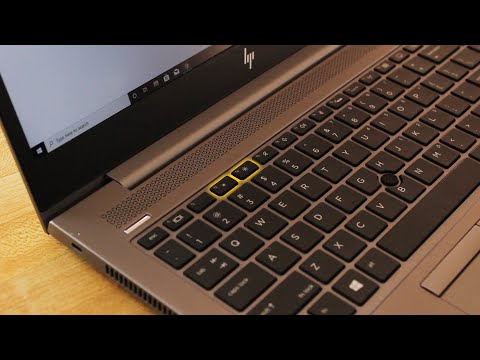
By Graphically Challenged HP Laptop Brightness Keys Not Working FIX by Graphically Challenged

Title: Brightness Control Not Working Solution Brightness Slider is Missing in Windows 10 100 Fixed
Channel: Tech Jaspreet
Brightness Control Not Working Solution Brightness Slider is Missing in Windows 10 100 Fixed by Tech Jaspreet
Change Wifi Settings
Laptop Brightness Refuses to Budge? FIX IT NOW!
We've all been there. You're engrossed in a project, a movie, or a crucial online meeting, and the brightness on your laptop screen suddenly decides to take a vacation. The screen becomes dim, hindering your view, and potentially impacting your productivity and enjoyment. Fear not, we are here to guide you through a myriad of solutions to reclaim control over your laptop's brightness, ensuring that your screen shines as brightly as you need it to.
Initial Troubleshooting: A Swift Diagnosis
Before diving into advanced solutions, let's conduct a rapid assessment to pinpoint the source of the dimness. Often, the fix is remarkably simple.
Check the Obvious: Physical Controls
- Keyboard Shortcuts: Most laptops feature dedicated keys for brightness adjustments. Commonly, these are function keys (Fn) combined with keys bearing sun symbols (brighter/dimmer). Locate these and systematically press them, holding the Fn key simultaneously. Observe if the brightness level adjusts accordingly. Different laptops may have different positions for the brightness key combinations.
- Brightness Control Buttons: Some laptops have physical buttons or sliders located on the front bezel or sides of the device. Ensure these aren't inadvertently engaged.
- External Monitor: If you're using an external monitor, double-check its brightness settings. Sometimes, the monitor's settings can inadvertently impact the laptop's display, or the laptop's display can be adjusted through the monitor's on-screen display.
Software Inspections:
- System Settings (Windows): Navigate to Settings > System > Display. Within this section, you will find a brightness slider. Use this slider to manually adjust the brightness. Ensure that "Night Light" is disabled, as this feature can sometimes cause a dim appearance.
- System Settings (macOS): Open System Preferences > Displays. Here, you'll find a brightness slider. Also, check the "Night Shift" settings, similar to the Windows "Night Light" equivalent, and disable it if necessary.
Advanced Troubleshooting: Deep Dive into the System
If the preliminary steps don't resolve the issue, it's time to explore more intricate solutions.
Driver-Related Problems:
- Graphics Driver Updates: Outdated, corrupted, or incompatible graphics drivers are common culprits. To update drivers:
- Windows:
- Right-click the Start button and select "Device Manager."
- Expand the "Display adapters" section.
- Right-click your graphics card (e.g., Intel HD Graphics, NVIDIA GeForce, AMD Radeon) and select "Update driver."
- Choose "Search automatically for drivers." Follow the on-screen instructions.
- macOS:
- Check for software updates in System Preferences > Software Update. These updates often include driver updates.
- If the update does not resolve the situation, consider checking for drivers directly from your computer manufacturer.
- Windows:
- Driver Reinstallation: If updating doesn't work, try reinstalling the drivers.
- Windows:
- In Device Manager (see above), right-click the graphics card and select "Uninstall device."
- Restart your laptop. Windows should automatically attempt to reinstall a driver.
- macOS: macOS generally handles graphics driver management, but you might consider a clean installation of the operating system to resolve driver difficulties. As a precaution, back up your data before proceeding.
- Windows:
Power Settings and Brightness Control:
- Windows Power Plan Settings:
- Navigate to Control Panel > Power Options.
- Select your current power plan (e.g., Balanced, Power saver).
- Click "Change plan settings."
- Click "Change advanced power settings."
- Expand "Display" and "Display brightness." Ensure that the brightness levels are set to your desired levels for both "On battery" and "Plugged in" modes.
- Also, analyze settings related to "Adaptive brightness" and disable it if it's causing issues. Adaptive brightness automatically adjusts the screen brightness based on ambient light, which may sometimes malfunction and cause dimness.
- macOS Energy Saver Settings:
- Open System Preferences > Energy Saver.
- Adjust the slider for "Dim display when using battery power" and ensure it aligns with your expectations.
- If applicable, in the settings, you can adjust settings related to automatic brightness adjustment.
Display-Specific Issues:
- Screen Saver Interference: Some screen savers might darken the screen, particularly older ones. Temporarily disable your screen saver.
- Windows: Control Panel > Appearance and Personalization > Change screen saver.
- macOS: System Preferences > Desktop & Screen Saver.
- External Hardware (Docking Stations, etc.): If you're using a docking station or other external devices, disconnect them to see if the issue resolves. These devices sometimes interfere with the laptop's display settings.
- Operating System Issues: In rare cases, a system glitch, malware, or corrupted system files can cause brightness problems. Consider the following steps:
- System Restore (Windows): Restore your system to a point before the brightness problem started.
- SMC Reset (macOS, Intel-based Macs): Resetting the System Management Controller (SMC) has been known to resolve display issues on Intel-based Macs. The exact steps vary depending on the model. Check the Apple support website for specific instructions.
- Clean Install (Windows/macOS): As a final recourse, perform a clean installation of your operating system. Back up your data beforehand.
Hardware-Related Troubleshooting: Delving Deeper
If software solutions fail, hardware might be the source of the problem. Be aware that these steps may require technical expertise.
Screen Panel Troubles:
- Inverter Board: The inverter board provides power to the backlight on your laptop screen. A faulty inverter board can cause the screen to appear dim or completely dark.
- Backlight Failure: The backlight (typically LEDs for many modern laptops) is a crucial component that illuminates the screen. A failing backlight will result in a dim or completely dark screen, even if the rest of the internal components are functioning correctly.
- Display Cable (LVDS Cable): The cable connecting the display panel to the motherboard can become loose or damaged. Check for signs of physical damage or wear and tear.
- Visual Inspection: Carefully examine the screen for any physical damage, such as cracks, pressure marks, or liquid spills.
Expert Assistance:
- Professional Repair: If you suspect a hardware issue, it's best to consult a qualified laptop repair technician. They can diagnose the problem accurately and perform necessary repairs or replacements in the safest manner.
- LCD Panel Replacement: Replacing the LCD panel might be the final solution if other approaches fail. However, this requires technical knowledge and can be costly.
Preventative Measures and Optimizations: Keeping Your Display in Top Shape
After restoring your brightness controls, implement these preventative routines to maintain your screen's optimal functionality.
- Regular Maintenance: Regularly clean your laptop screen with a microfiber cloth to remove dust and smudges. Never use harsh chemicals or abrasive cleaners.
- Optimal Ambient Lighting: Avoid using your laptop in direct sunlight, which can make the screen difficult to see even at maximum brightness. Consider using a screen protector to reduce glare.
- Keep Software Up To Date: Regular operating system updates often include driver updates and bug fixes essential for a smooth display experience.
- Proper Power Management: Use power settings that you configured earlier to ensure that your laptop's brightness settings meet your needs.
- Avoid Overheating: Excessive heat can damage the internal components of your laptop, including the display. Ensure proper ventilation and avoid using your laptop on soft surfaces that can block air vents.
- Check for Malware: Run regular scans with a reputable antivirus program to prevent malware infections that may interfere with system performance.
By methodically following these troubleshooting steps, we are confident that we will restore your laptop's brightness to its intended glory. From swift fixes to advanced software adjustments and hardware inspections, we aimed to give you the knowledge you need to diagnose and resolve the issue in its entirety.
