headphone jack not working toshiba laptop

Title: Toshiba Laptop Headphone Jack Not Working New Method 2023
Channel: Ultimate PC Guide
Toshiba Laptop Headphone Jack Not Working New Method 2023 by Ultimate PC Guide
toshiba laptop headphone jack not working, headphone jack suddenly not working laptop, laptop headphone jack not working
Toshiba Laptop Headphone Jack DEAD? (Easy Fix Inside!)
Toshiba Laptop Headphone Woes: Is Your Audio M.I.A.? (And How to Revive It!)
Ever find yourself staring blankly at your Toshiba laptop, headphones plugged in, yet silence echoing from the speakers? It's a frustrating experience. You eagerly anticipate your favorite tunes or the next episode, but only get a frustrating void of audio. This issue can completely disrupt your workflow or entertainment. Fear not, however! It doesn’t necessarily spell doom for your listening pleasure. We’ll explore potential culprits and, importantly, how to get your audio back on track.
Troubleshooting the Soundless Scenario: Initial Checks
Before launching into complex diagnostics, begin with the basics. Sometimes the simplest solutions are the most effective. So, let's methodically walk through some preliminary checks. First, ensure your headphones are properly connected. Are they snug in the headphone jack? Try wiggling the plug gently. Sometimes, a loose connection disrupts audio transmission. Next, let's consider the volume. Verify your system volume is not muted. Also, check that the volume isn’t turned down to zero. These seem obvious, but they are frequently the root cause. Finally, examine the operating system’s audio settings. Accidentally, many users forget to check. The default output device might be set incorrectly.
Software Scenarios: Delving into the Digital Realm
Now, let's shift gears and investigate potential software-related issues. Sometimes, the problem resides in the digital realm, not the physical hardware. First, you should restart your laptop. It resolves many temporary glitches. Rebooting clears out temporary files and refreshes system processes. Additionally, check the audio drivers. Outdated or corrupted audio drivers often cause audio malfunctions. Navigate to your device manager. Locate the “Sound, video, and game controllers” section. Right-click on your audio device. Then, choose “Update driver.” If the driver updates, test your audio. Furthermore, consider any recent software installations. Sometimes, a newly installed program conflicts with your sound settings.
Hardware Headaches: Exploring the Physical Connections
If software doesn't hold the answer, the plot thickens. Therefore, it’s time to inspect the hardware. Remember, a bit of patience goes a long way. The headphone jack itself is a delicate component. It's subject to wear and tear. Over time, this can lead to damage or internal issues. But it isn’t always the end. Consequently, thoroughly inspect the headphone jack for any visible damage. Look for bent pins, debris, or any signs. If something looks amiss, this can be a significant clue. Another area worth considering is the internal wiring. Specifically, this is where things become a bit risky. Disassembly requires caution and some technical know-how. You would need to examine the internal connections. Still, proceed with caution. If you lack confidence, enlist professional help.
Beyond the Jack: External Devices and Alternative Solutions
The headphone jack might not be your only option. Indeed, consider alternatives. Many Toshiba laptops support Bluetooth connectivity. Subsequently, you can pair wireless headphones or speakers. This bypasses the physical jack entirely. Moreover, an external USB sound card is an alternative. These cards provide a dedicated audio output. Connecting one can circumvent a problematic headphone jack. Also, these offer improved audio quality. However, before investing in new hardware, test your headphones on another device. This helps to isolate the problem. This can help you determine if the issue lies with the headphones themselves.
The Verdict: When to Seek Professional Assistance
Knowing when to call in the experts is essential. Therefore, at a certain point, self-troubleshooting reaches its limits. If you’ve exhausted all the basic checks and alternative solutions, professional assistance is required. Particularly, if you've identified hardware damage. Additionally, attempting repairs yourself without the necessary expertise often worsens the issue. A qualified technician possesses the tools and experience. Thus, they diagnose and repair the problem efficiently. However, don’t fret. Most headphone jack issues are fixable. Therefore, it's often a relatively minor repair.
Preventative Measures: Protecting Your Audio Investment
Prevention is often better than cure. So, practice these preventative measures to protect your Toshiba laptop's headphone jack. Avoid excessive force when inserting or removing headphone plugs. This prevents damage to the delicate internal components. Moreover, store your laptop in a safe environment. This protects it from physical impacts. Finally, regularly clean the headphone jack. Use a can of compressed air to remove dust and debris. By following these tips, you can extend the life of your audio port. Doing that will ensure years of uninterrupted listening pleasure.
Laptop Keys Dying? This SHOCKING Fix Saved My Day!Toshiba Laptop Headphone Jack DEAD? (Easy Fix Inside!)
Hey there, tech traveler! Ever been there? The headphones are plugged in, the music's pumping, but silence. Complete, utter audio blackout. You're staring at your Toshiba laptop, your face a mixture of bewilderment and mild annoyance. The culprit? That pesky headphone jack. Don't panic! We've all been there, and trust me, more often than not, it's a fixable problem. Forget spending a fortune on a tech guru or wrestling with complicated manuals. We're going to navigate this audio abyss together, and I promise, it'll be easier than untangling a Christmas tree's fairy lights!
1. The Dreaded Silent Treatment: Why Your Toshiba Laptop is Ignoring Your Headphones
First things first, let's understand the "why." Before we dive into the fixes, let's consider the potential villains lurking in the shadows of your laptop's internal workings. Think of your Toshiba's headphone jack as a well-loved, often-used door. Over time, things can go wrong. This door has its usual suspects: dust, debris, and software glitches. Here are some probable suspects that might be causing the headphone jack to act up:
- Physical Obstruction: Think of tiny intruders, like dust bunnies and crumbs that have made their way into their hidey-hole.
- Loose Connection: Inside, there's a tiny connection that might have become dislodged.
- Software Glitches: Sometimes, it's not the hardware, but the software that's playing tricks.
- Driver Issues: Your audio drivers are the translators between your laptop and the headphones. Problems here can create a dead-air situation.
- Hardware Failure: Unfortunately, sometimes, it's a more serious issue, like the physical jack itself being damaged.
2. The Initial Recon: Checking the Obvious (and saving yourself some sweat!)
Before we start disassembling your laptop or downloading complex software, let's start with the basics. It's like checking the gas tank before a long road trip. Are you sure this is really the headphone jack's fault?
- Double-Check the Headphones: Try a different pair. It's surprisingly common for the headphones themselves to be the problem. Like a faulty extension cord, the headphones may be the problem.
- Volume Check: Are the laptop's volume controls cranked all the way down? Don't laugh; we've all been there!
- The Right Jack?: Some laptops are multi-purpose masters. Ensure you're plugging into the right port (some might be for microphones).
- Test on Another Device: Plug your headphones into your phone, a different computer, or anything with an audio jack. This helps determine if the headphones themselves are the issue.
3. Software Sleuthing: Hunting Down the Hidden Culprits
Okay, so the basics check out, and your headphones are working fine. Time to dig a little deeper. Let's have a look at the software side of things:
- Sound Settings: Right-click the speaker icon in the system tray (bottom right corner, usually). Select "Open Sound Settings." Ensure your headphones are selected as the output device.
- Device Manager: Driver Diagnosis: Search for "Device Manager" in the Windows search bar. Under "Sound, video and game controllers," you should see your audio device (Realtek Audio, Intel High Definition Audio, etc.). If there's a yellow exclamation mark, it indicates a driver issue. More than likely, this is the case.
- Driver Updates: Right-click your audio device in Device Manager and select "Update driver." Let Windows search for updates automatically. If that doesn't work, go to the Toshiba website, find your laptop model, and download the latest audio drivers. This will usually fix the issue.
- Restart Your Laptop: A simple reboot can magically solve many problems, similar to a tech reboot for your body.
4. The Dust Devil: Cleaning the Headphone Jack (Gently!)
Sometimes the solution is as simple as a good old-fashioned cleaning. It's like dusting off a dusty old book; it can bring it back to life.
- The Gentle Approach: Use a can of compressed air. Direct the nozzle into the headphone jack and give it a short burst. This will usually blow out any dust or debris.
- The Cotton Swab Trick: If compressed air isn't working, try using a cotton swab. Gently insert the swab into the jack and rotate it to remove any gunk. Make sure the swab is dry to avoid any short circuits.
- No Sharp Objects: Never use pins, needles, or any other sharp objects. You could damage the jack and make the problem worse.
5. The Hardware Hiccup: Assessing For Damage (and Knowing Your Limits!)
If nothing else has worked, we have to consider the possibility of hardware failure.
- Visual Inspection: Carefully examine the headphone jack. Is it bent, broken, or loose? If you see physical damage, it's probably a hardware issue.
- Warranty Check: Does your Toshiba laptop have a warranty? If so, contact Toshiba support. They may be able to repair or replace the device for you.
- Professional Help: If you're not comfortable disassembling your laptop, and the warranty is expired, it's time to consult a professional. A repair shop can diagnose and fix the problem.
6. Troubleshooting Audio Drivers: The Digital Translators
Audio drivers act like translators between your laptop and your headphones. When they malfunction, sound becomes unheard.
- Reinstall Audio Drivers: If the driver updates didn't work, uninstall the driver and then reinstall it. In Device Manager, right-click your audio device, select "Uninstall device," and then restart your laptop. Windows will usually reinstall the driver automatically.
- Roll Back Driver: If you recently updated your audio drivers, try rolling them back to a previous version. In Device Manager, right-click your audio device, select "Properties," and then go to the "Driver" tab. There, you should see an option to "Roll back driver."
7. External Audio Solutions: Bypassing the Problem
Sometimes, the easiest solution is to go around the problem.
- USB Headphones: Consider using a pair of USB headphones. They bypass the headphone jack altogether, making them a great alternative.
- Bluetooth Headset: If your laptop has Bluetooth, you can connect a Bluetooth headset.
- External Sound Card: An external USB sound card can provide a completely new audio interface.
8. Checking for Software Conflicts: The Clash of the Audio Titans
Sometimes, two software programs can clash over audio control, causing chaos.
- Audio Enhancements: Some third-party audio enhancement software could interfere with audio output. Disable these to test if they're causing issues.
- Recording Software: If you are running any recording software, close it, and test it again.
9. The Power Cycle: A Refresh for Your System
A proper power cycle can sometimes resolve subtle glitches.
- Shutdown and Unplug: Completely shut down your laptop. Unplug the power adapter.
- Hold the Power Button: Press and hold the power button for 30 seconds. This discharges any residual power.
- Restart: Plug the adapter back in, power on your laptop, and test the headphone jack.
10. The Bios Check: A Deep Dive (Use with Caution!)
This step is more advanced and should only be attempted if you are comfortable with your laptop's BIOS settings.
- Accessing the BIOS: Restart your laptop and repeatedly press the key to enter the BIOS setup (usually Del, F2, or F12 – check your Toshiba manual).
- Audio Settings: Look for audio-related settings. Make sure the audio device is enabled.
- Save and Exit: Save your changes and exit the BIOS.
11. A Look Inside: Do-It-Yourself Repairs (Proceed with Caution!)
This is generally not recommended unless your technical skills are up to par.
- Consult the Manual: Find the service manual for your laptop model (search online).
- Disassembly: Follow the manual's instructions for disassembling your laptop.
- Check the Jack Connection: Carefully examine the connection of the headphone jack to the motherboard.
- Reassembly: If you disconnect something, make sure it is connected.
12. Preventing Future Headphone Jack Headaches: Proactive Measures
Prevention is better than cure, as they say. Here are some habits to adopt:
- Gentle Handling: Don't yank or pull on headphone jacks.
- Regular Cleaning: Regularly clean the headphone jack from dust.
- Driver Updates: Ensure audio drivers are updated.
13. When to Call for Professional Help: Recognizing Your Limits
Sometimes, the problem is just too big, and it's time for a professional.
- Advanced Damage: If you see extensive damage (broken jacks, cracked components), that's not a DIY project.
- You're Uncertain: If you're unsure about any of the steps, it's best to call a tech.
14. The Battery Effect: Power Concerns
Even a battery
Laptop Touchpad Dead? 😱 FIX It NOW! (Easy Steps)Fix Earphones Headphone Not Working On Windows 11

By ITGuy360 Fix Earphones Headphone Not Working On Windows 11 by ITGuy360
Fix Headphone Connected But No Output Sound in Windows 1110

By MJ Tube Fix Headphone Connected But No Output Sound in Windows 1110 by MJ Tube
Earphones or Headphones Not Working on Windows 10 Laptop or PC Fixed

By VirtualSkills Earphones or Headphones Not Working on Windows 10 Laptop or PC Fixed by VirtualSkills
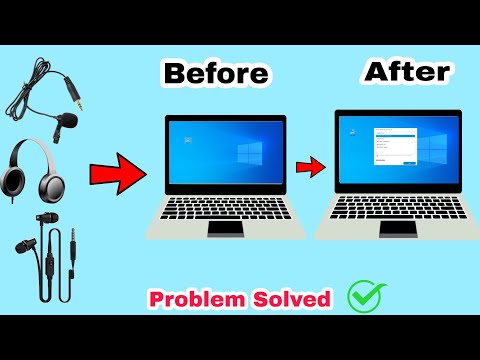
Title: How To Fix Windows 10 Not Detecting HeadphonesMicrophone When Plugged In Best Working Method 2021
Channel: Zeeshan Awan
How To Fix Windows 10 Not Detecting HeadphonesMicrophone When Plugged In Best Working Method 2021 by Zeeshan Awan
My Laptop Work
Toshiba Laptop Headphone Jack DEAD? (Easy Fix Inside!)
Navigating the digital landscape with a malfunctioning headphone jack on your Toshiba laptop can be incredibly frustrating. It’s a common ailment, but thankfully, often solvable without resorting to costly repairs or, heaven forbid, replacing the entire machine. We understand the crucial role audio plays in your daily workflow, entertainment, and communication. That’s why we've compiled this comprehensive guide, offering a detailed roadmap to diagnose and, more often than not, resurrect that silent jack. We'll delve into the potential culprits, provide step-by-step troubleshooting, and offer practical solutions to get your audio flowing once more. Let's begin the journey toward sound.
Initial Assessment: Pinpointing the Problem Zone
Before plunging into technicalities, a methodical approach is essential. The first step is to determine where the problem genuinely lies. Is it definitively the headphone jack itself, or could the issue stem from elsewhere within your system's audio chain? Consider these vital preliminary checks:
External Device Testing: The obvious starting point: test your headphones or external speakers on another device. This swiftly eliminates them as the problem source. If they function correctly on a different device, you can confidently direct your focus towards your Toshiba laptop.
Volume Control Scrutiny: A seemingly simple oversight can often be the root cause. Mute buttons, volume sliders, and even the overall system volume settings should be carefully examined. Ensure that the volume isn't inadvertently set to zero or that the mute function isn't active. This seems obvious, but it is a common reason for silent audio.
Software Configuration Review: Explore the audio settings within your operating system. Right-click on the speaker icon in your system tray (usually located in the bottom right corner of your screen) and select "Open Sound settings." Within this menu, verify that the correct output device (headphones or external speakers) is selected and that the volume levels are adjusted appropriately. Also, observe whether the balance settings are correctly configured.
Physical Jack Inspection: Closely inspect the headphone jack on your Toshiba laptop. Look for any visible obstructions like dust, debris, or bent pins. A simple visual inspection can often reveal a straightforward explanation for the malfunction. A flashlight can be helpful here.
Diving Deeper: Troubleshooting Your Toshiba Laptop's Audio
Having exhausted the initial checks, it's time to move on to more advanced troubleshooting techniques. These steps will help you systematically isolate and rectify the issue.
Driver Dilemmas: Updating and Reinstalling Audio Drivers
Outdated, corrupted, or missing audio drivers are a frequent cause of audio problems. A driver is essentially a piece of software that lets your operating system communicate with your hardware. Ensuring your audio drivers are current is essential.
Driver Update Procedure:
- Right-click on the Start Menu (Windows icon) and select "Device Manager."
- In the Device Manager window, expand the "Sound, video and game controllers" section.
- Right-click on your audio device (likely Realtek High Definition Audio or a similar name) and select "Update driver."
- Choose "Search automatically for drivers." Windows will then attempt to find and install the latest drivers from the internet.
Driver Reinstallation Strategy:
- Within the Device Manager, right-click on your audio device once again.
- This time, select "Uninstall device."
- Follow the prompts to uninstall the driver.
- Restart your Toshiba laptop. Windows should automatically attempt to reinstall the drivers upon startup. If not, you can manually download the correct drivers from Toshiba's official website using your laptop's specific model number.
Windows Troubleshooter: A Quick Audio Fix?
Microsoft includes a built-in troubleshooter designed to diagnose and resolve common hardware and software issues. It's a simple yet frequently effective tool.
- Activating the Troubleshooter:
- Right-click again on the speaker icon in the system tray.
- Select "Troubleshoot sound problems."
- Follow the on-screen instructions. The troubleshooter will automatically scan for potential issues and attempt to resolve them.
Hardware Check: Examining the Headphone Jack Physically
Sometimes, the issue is purely mechanical, and a physical inspection and minor intervention is the only solution.
Dust and Debris Removal:
- Carefully examine the headphone jack using a small, non-conductive tool like a toothpick or a compressed air duster.
- Gently remove any debris or dust that may be obstructing the contacts.
- Avoid using metal objects that could potentially short-circuit the jack.
Headphone Jack Wiggling:
- With the laptop powered off and the power adapter unplugged, insert your headphones into the jack.
- Gently wiggle the headphone plug while observing whether any intermittent sound or static is produced.
- This wiggling can temporarily create a connection, indicating a problem within the jack itself.
BIOS and Audio Settings: A Hidden Solution
Your laptop's BIOS (Basic Input/Output System) controls fundamental hardware functions. While less common, BIOS settings can sometimes influence audio output.
- BIOS Access and Examination:
- Restart your Toshiba laptop.
- Repeatedly press the key specified by Toshiba to enter the BIOS during startup (usually Del, F2, F12, or Esc; consult your laptop's manual).
- Navigate through the BIOS menus to locate any audio-related settings.
- Ensure that the internal audio device is enabled.
- Save your changes and exit the BIOS.
Sound Enhancements: Disabling for Clarity
Operating systems often include sound enhancement features that, while meant to improve audio quality, can sometimes interfere with the headphone jack functionality.
- Disabling Enhancements:
- Right-click on the speaker icon in the system tray.
- Select "Open Sound settings."
- Click on "Device properties" for your audio output device (headphones or speakers).
- Navigate to the "Enhancements" tab and uncheck any activated enhancements.
Advanced Solutions: If Simple Fixes Fail
If the above steps have not resolved the issue, more advanced troubleshooting or potential repair options may be necessary.
Internal Jack Inspection and Repair (If Comfortable)
This is a more advanced procedure, and should only be attempted if you are comfortable with electronics and have experience working with sensitive hardware.
- Disassembly: This requires opening up your laptop, which can be tricky and potentially void your warranty. Before you get started, you should search online using your laptop model to find a guide.
- Visual Inspection of the Jack: Carefully inspect the headphone jack connections on the motherboard for any signs of damage, corrosion, or loose solder joints.
- Solder Repair or Replacement: If you have experience soldering, a loose solder joint can be re-soldered. Otherwise, replacing the jack is the best solution to any physical issues.
External USB Audio Adapter
As a workaround, if the internal jack is beyond repair, or if you're not ready to delve inside the laptop, a USB audio adapter provides a simple solution.
- Plug-and-Play Functionality: USB audio adapters are generally easy to install. Simply plug the adapter into a USB port, and Windows should automatically install drivers.
- Bypassing the Internal Jack: The adapter routes the audio output through the USB port, bypassing the potentially faulty internal jack altogether.
- Quality Considerations: USB audio adapters vary in quality; choose one that meets your needs and budget.
Professional Repair
If all troubleshooting steps fail, it’s time to seek professional assistance.
- Consult a Certified Technician: An experienced technician can diagnose and repair a malfunctioning headphone jack, motherboard issues, or any other underlying problems.
- Toshiba Authorized Service Centers: Toshiba-authorized service centers are equipped with the specialized tools and expertise to perform repairs on your laptop.
- Independent Repair Shops: Independent repair shops specializing in laptops can often provide quality repairs at a lower cost than authorized service centers.
Preservation and Prevention: Keeping Your Audio Jack Healthy
Once you have successfully restored audio to your Toshiba laptop, it's crucial to implement practices that will help prolong the jack's lifespan and prevent a recurrence of the problem.
- Gentle Plug Insertion and Removal: Always insert and remove the headphone plug gently, avoiding excessive force that could damage the jack.
- Regular Cleaning: Keep the headphone jack free of dust and debris.
- Avoid Excessive Strain: When using headphones, avoid pulling or tugging on the cable, putting unnecessary strain on the jack.
- Environmental Control: Protect your laptop from extreme temperatures and humidity, which can potentially damage the internal components.
- Software Updates: Regularly update your operating system and drivers to ensure optimal performance and minimize potential conflicts.
The journey to fixing a dead headphone jack may seem daunting, but armed with the comprehensive information provided above, you should be well-equipped to diagnose the issue and implement effective solutions. Following these steps can restore audio functionality to your Toshiba laptop and keep you connected to the sounds that matter most. Remember, patience and a methodical approach are your best allies in this process. Good luck!
