hp laptop center pad not working

Title: Fix HP Touchpad Not Working in Windows 11 10 How To Solve hp Laptop touchpad Issues
Channel: Victor Explains
Fix HP Touchpad Not Working in Windows 11 10 How To Solve hp Laptop touchpad Issues by Victor Explains
HP Laptop Touchpad DEAD? FIX This NOW!
HP Laptop Touchpad Troubles? Resurrect Your Cursor!
Suddenly, the cursor vanishes. The touchpad, once a trusty companion, now lies dormant. Panic may set in. But don't fret! We're going to revive it. This guide will help you navigate the frustrating world of a non-responsive HP laptop touchpad. Let’s dive in and get you back on track.
Troubleshooting the Touchpad's Demise: A Quick Diagnostic
First things first, let's identify the culprit. Is it software, hardware, or a simple setting? Determine this before deeper steps. This initial assessment is key. Consider these quick checks first.
The Obvious: Is It On? Seriously. Many HP laptops have a touchpad disable/enable function. Check for a dedicated button. It usually has a touchpad icon. Try tapping it.
The Keyboard Shortcut: Sometimes, a function key combination disables the touchpad. Look for a key with a touchpad symbol. It’s often an F key (F1, F2, etc.). Press the Fn key and that function key simultaneously.
External Mouse: Connect a mouse. Does it function? If so, it's likely not a fundamental system issue. The touchpad may just be the problem.
Restart: A simple reboot can work wonders. Your laptop might need a refresh.
Delving Deeper: Software Solutions to Touchpad Troubles
If the initial checks fail, we venture into software. Many HP touchpad issues stem from software glitches. Here are some troubleshooting steps.
Driver Updates: Outdated drivers are a frequent culprit. Go to the Device Manager. Search by typing "Device Manager" in the Windows search bar. Expand "Mice and other pointing devices". Right-click on your touchpad device (it might be "Synaptics" or "Elan"). Select "Update driver".
Driver Rollback: Sometimes, a recent driver update causes trouble. If the touchpad stopped working after an update, roll back to the previous driver. Right-click on the touchpad device in Device Manager. Choose "Properties". Click the "Driver" tab. Look for the "Roll Back Driver" option.
Reinstall Drivers: If updating and rolling back doesn't work, try reinstalling the drivers. In Device Manager, right-click the touchpad device and select "Uninstall device." Restart your laptop. Windows should automatically reinstall the necessary drivers.
HP Support Assistant: HP provides a handy tool. Download and install the HP Support Assistant. It automatically scans your system for driver updates and potential issues. It can resolve many touchpad problems.
Hardware Hurdles: When the Touchpad Becomes a Brick
However, sometimes the problem lies in hardware. The situation then requires more focused attention. Now, here's how to troubleshoot hardware-related issues.
Physical Inspection: Inspect the touchpad itself. Is it dirty? Is anything obstructing the surface? Clean it gently with a soft, lint-free cloth. Also, check for any physical damage.
BIOS Settings: Access your BIOS settings. Restart your laptop and press the appropriate key during startup. This key varies by model (common keys are Delete, F2, F10, or Esc). Look for touchpad settings within the BIOS. Ensure it's enabled.
Internal Connections: This is more advanced, so proceed with caution. If you're comfortable opening your laptop, check the touchpad's internal connections. Disconnect the battery before opening the laptop. Look for the touchpad cable. Ensure it's properly connected to the motherboard.
Professional Help: If you're not comfortable with these hardware steps, seek professional help. Take your laptop to a qualified technician. They can diagnose and repair hardware issues.
Fine-Tuning: Touchpad Settings for Optimal Performance
Beyond the core functionality, you can tweak touchpad settings. Configure settings for your preference.
Windows Settings: Go to "Settings" and then "Devices". Click on "Touchpad". Adjust sensitivity, scrolling direction, and other options. Experiment to find settings that suit you.
Touchpad Software: The touchpad manufacturers offer special software. This software enables advanced configuration options. Experiment with edge gestures and multi-finger controls.
Preventative Measures: Keeping Your Touchpad Happy
Now, avoid future touchpad problems. Implement these preventative measures.
Regular Cleaning: Regularly clean your touchpad's surface. This prevents dirt and debris buildup.
Driver Updates: Keep your drivers updated. This helps ensure compatibility and performance.
Gentle Handling: Be gentle with your touchpad. Avoid excessive pressure or impact.
Software Shield: Protect your system. Install a reliable antivirus program.
Conclusion: Your Touchpad Is Back in Action!
You've now learned how to address most HP touchpad issues. You can now troubleshoot, resolve, and maintain your touchpad. You're ready to regain control of your cursor! Enjoy your newly functional touchpad. Don't hesitate to revisit these steps if problems reoccur. You're now equipped to keep your laptop's touchpad operating at its peak again!
Amazon Work From Home Laptop: The Secret Weapon Employees Don't Want You To Know!HP Laptop Touchpad DEAD? FIX This NOW!
Hey there, fellow tech traveler! Ever found yourself staring at your HP laptop, frantically jabbing at that oh-so-important touchpad, only to be met with… nothing? That sinking feeling when your cursor refuses to budge, as if it’s decided to take a permanent vacation, is a universal laptop owner’s nightmare. Fear not! We've all been there, and luckily, in most cases, bringing that touchpad back to life doesn’t require a trip to the repair shop. We’re diving headfirst into a troubleshooting adventure, a digital detective story to get your cursor moving again. Let's get this show on the road!
1. The Dreaded Freeze: Why Did My Touchpad Die?
First things first: let's understand why your HP laptop touchpad might have suddenly staged a revolt. Think of it like a car – there are a multitude of reasons why it might stall. It could be a simple software glitch, a driver issue, a hardware problem, or even just a sneaky setting that's been inadvertently changed. We'll unravel these potential culprits, piece by digital piece.
2. The Obvious Checks: Quick Fixes Before We Panic!
Before we delve into the technical trenches, let's start with the low-hanging fruit, the quick and easy fixes. Think of it as the first-aid kit of touchpad troubles.
- Make Sure the Touchpad Isn't Disabled: Many HP laptops have a button or combination of keys to disable/enable the touchpad. It's often a Function key (Fn) combined with a key that has a touchpad icon on it. Look closely at your keyboard! Sometimes, a stray press could have turned it off.
- Restart Your Laptop: This old chestnut often works wonders. A simple restart can clear out temporary glitches that might be causing the problem. It’s like giving your laptop a fresh start to its day.
- Check the Mouse Settings: In Settings (search for "Mouse settings" in the Windows search bar), make sure the touchpad is enabled. Sometimes, settings get changed without us even noticing.
3. Driver Drama: Updating Your Touchpad Drivers
Drivers are the unsung heroes of your laptop's functionality. They're the translators that allow your hardware (like your touchpad) to communicate with the operating system. An outdated or corrupted driver is a common cause of touchpad malfunctions. Let's get those drivers in tip-top shape.
- Access Device Manager: Right-click the Windows Start button and select "Device Manager." This is your central hub for all things hardware.
- Find the Touchpad: Look for a section labeled "Mice and other pointing devices" or something similar. Expand it, and you should see your touchpad listed.
- Update the Driver: Right-click on the touchpad and select "Update driver." Choose "Search automatically for drivers." Windows will then try to find and install the latest driver.
- Or Download From the HP Website: If updating through Windows doesn't work, or if you're feeling ambitious, head to the HP support website. Enter your laptop's model number to find and download the correct touchpad driver.
4. The BIOS Blues: A Quick Check & Update
Your laptop's BIOS (Basic Input/Output System) is the foundational system that controls all the basic operation. Sometimes, a BIOS issue can interfere with the functionality of your touchpad.
- Access BIOS: You'll usually have to press a specific key (like Esc, F2, or Del) during startup to enter the BIOS setup. Check your HP laptop's documentation to find the specific key.
- Navigate & Verify: In the BIOS, look for settings related to touchpad or pointing devices. Check if the touchpad is enabled.
- Consider a BIOS Update: If you're comfortable with the process (it’s a bit technical), consider updating your BIOS. This can often address compatibility issues and improve overall system performance, but always back up your data before proceeding.
5. Software Conflicts: Rogue Programs and Touchpad Troubles
Sometimes, third-party software can clash with your touchpad. Certain programs, particularly those that control mouse movements or accessibility features, could be causing problems.
- Safe Mode: Boot your computer into Safe Mode (hold down the Shift key while restarting). If your touchpad works in Safe Mode, it strongly suggests a software conflict.
- Uninstall Suspicious Programs: Think about any new programs you’ve installed around the time the touchpad stopped working. Uninstall them one by one, restarting your laptop after each uninstallation, and checking if the touchpad works.
6. External Mouse Intervention (Temporary Solution!)
While we're troubleshooting, an external mouse can be your lifeline. Plug in a USB mouse or connect a Bluetooth mouse to navigate the menus and settings while we work our magic on the touchpad. It's like having a backup plan, a safety net for your sanity.
7. Hardware Hurdles: Is It a Real Problem?
Let's face the truth: sometimes, the issue might be a hardware problem. This is less common, but it's a possibility.
- Inspect the Touchpad Physically: Look for any obvious signs of damage. Are there any cracks, dents, or anything that looks out of place?
- Check the Connector (if you're adventurous): If you’re comfortable with opening your laptop, you can carefully open the back and check the touchpad connector. However, this voids your warranty, so proceed with caution!
- Consider a Professional Repair: If you suspect a hardware issue, it's probably better to get it checked out by a professional repair service.
8. Cleanliness is Next to Godliness: Wipe That Touchpad!
Believe it or not, a dirty touchpad can sometimes cause issues. Oil, crumbs, and other debris can interfere with its functionality.
- Power Down: Always power off your laptop before cleaning.
- Use a Soft Cloth (Microfiber is Best): Dampen a soft cloth with a bit of water (not too much!).
- Gently Wipe: Wipe the touchpad surface in a circular motion. Avoid harsh chemicals.
- Let it Dry: Make sure the touchpad is completely dry before you turn your laptop back on.
9. Touchpad Sensitivity and Settings: Finding the Sweet Spot
Perhaps the touchpad is working, but it's just not behaving the way you'd like it to. Adjusting touchpad sensitivity and settings can make a world of difference.
- Go to "Mouse Settings" again: Look for options related to touchpad sensitivity, palm rejection, and scrolling.
- Experiment and Customize: Play around with the settings until you find what feels most comfortable for you.
10. Windows Updates & Their Influence
Windows updates can sometimes bring new drivers or even inadvertently cause conflicts. Keeping your Windows updated can often resolve driver incompatibility issues.
- Check for Updates: Go to Settings > Update & Security > Windows Update and check for any pending updates.
- Install and Restart: Install any available updates and restart your laptop.
11. Rollback, Restart: Undo Those Changes!
If the touchpad started malfunctioning after you updated something (driver, software, etc.), you may be able to revert.
- Driver Rollback: In Device Manager, if you see an option to "Roll Back Driver," try it.
- System Restore: If you have system restore points saved, go to "System Restore" and revert to a time before your touchpad problems started.
12. The "Touchpad Diagnostics" (If Applicable)
Some HP laptops come with built-in diagnostics tools. These can sometimes find hardware problems.
- Check HP Support Assistant: Open the HP Support Assistant or similar software that came pre-installed on your laptop.
- Run Diagnostics: Look for a section on hardware diagnostics and run a test specifically for the touchpad.
13. Power Management: Battery Optimization & Touchpad Problems
Power-saving settings can sometimes affect touchpad performance.
- Check Your Power Plan: Go to "Power & Sleep" settings. Make sure your power plan isn't overly aggressive in disabling hardware to save battery.
- Experiment with Plans: Try switching between different power plans (e.g., "Balanced," "Power Saver") to see if it makes a difference.
14. The Ultimate Reset: Factory Reset (Last Resort!)
Alright, this is the big one, the nuclear option. If nothing else has worked, you might consider a factory reset. This will erase everything on your laptop, so back up your important files first!
- Backup Your Data: This cannot be stressed enough. Everything will be deleted.
- Access Reset Options: In Settings, go to "Update & Security" > "Recovery." Select "Reset this PC."
- Follow the Prompts: Follow the on-screen instructions to reset your laptop to its factory settings.
15. Seek Professional Help: When to Throw in the Towel
If you've exhausted all these steps and your touchpad is still stubbornly refusing to cooperate, it might be time to seek professional help.
- Contact HP Support: The official HP support website is your next stop. They can provide tailored troubleshooting steps for your specific model.
- Take It to a Repair Shop: Find a reputable laptop repair shop in your area
Disabling touchpad on HP laptops

By BurbankITDepartment Disabling touchpad on HP laptops by BurbankITDepartment
Fix HP Laptop Mouse TOUCHPAD Not Working Pavilion Envy Spectre EliteBook ProBook X360 Stop Trackpad

By Helping Hermit Fix HP Laptop Mouse TOUCHPAD Not Working Pavilion Envy Spectre EliteBook ProBook X360 Stop Trackpad by Helping Hermit
How to Fix Laptop Touchpad Problem Laptop Touchpad Not Working logic card change
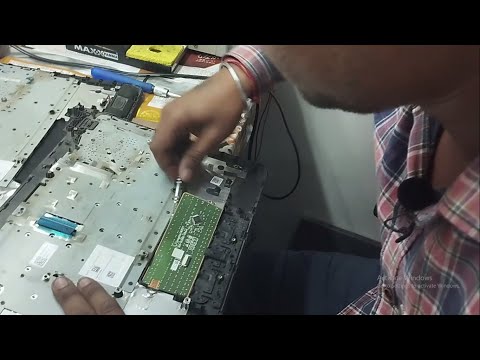
By Prashant IT solution How to Fix Laptop Touchpad Problem Laptop Touchpad Not Working logic card change by Prashant IT solution

Title: How to fix the touchpad on HP Notebooks running Windows 11 HP Computers HP HP Support
Channel: HP Support
How to fix the touchpad on HP Notebooks running Windows 11 HP Computers HP HP Support by HP Support
Wifi On Laptop
HP Laptop Touchpad Dead? FIX This NOW!
It's the ultimate laptop nightmare: you reach for your touchpad, ready to navigate, and…nothing. The cursor remains stubbornly frozen, leaving you stranded in digital no-man's-land. Fear not, fellow HP laptop users! We understand the frustration, and we're here to guide you through a comprehensive troubleshooting journey to revive your lifeless touchpad and get you back to productive (or leisurely) browsing. We'll delve into the common culprits behind a defunct touchpad and offer clear, actionable solutions to get things moving again.
Initial Assessment: Identifying the Problem
Before you launch into complex fixes, let's perform a quick diagnostic. This initial assessment can often pinpoint the root cause and save you valuable time.
- Hardware vs. Software: Does your touchpad completely refuse to respond, or is the problem intermittent? If it's entirely unresponsive, the issue is more likely hardware-based. If it flickers, freezes, or behaves erratically, software glitches might be the culprit.
- External Mouse Test: Connect a USB mouse. Does it work? If so, the problem is almost certainly with the touchpad itself. If the external mouse also fails, you might have a more systemic issue, impacting the system as a whole.
- Reboot and Retry: This classic often works wonders. A simple restart can clear temporary software glitches and conflicts that might be hindering touchpad functionality. Shut down your HP laptop completely, wait a minute, and then power it back on. Test the touchpad immediately upon startup.
- Battery Check: While less common, especially with newer HP laptops, a severely depleted battery can sometimes lead to unusual behavior. Ensure your laptop is adequately charged.
Software Solutions: Taming the Digital Demons
If your initial assessment suggests a software-related issue, let's roll up our sleeves and tackle those digital gremlins.
1. Enabling the Touchpad: The Obvious First Step
It sounds simple, but it's incredibly common: your touchpad may be inadvertently disabled. HP laptops often have a dedicated key combination to toggle the touchpad on or off. Look for a key with a touchpad icon, usually found on the function keys (F1-F12). Often it's combined with the Fn key (usually located near the Ctrl key) for activation. Press the Fn key simultaneously with the touchpad key. Test your touchpad immediately. If it doesn't resolve your problem, move on to the next stage of our diagnostic journey.
2. Driver Dilemmas: Updating and Reinstalling
Drivers are crucial software components that allow your laptop to communicate with its hardware. Outdated, corrupted, or missing touchpad drivers can bring your cursor to a standstill.
- Driver Update via Device Manager:
- Type "Device Manager" in the Windows search bar and open the application.
- Expand the "Mice and other pointing devices" category.
- Right-click on your touchpad (it might be listed as "Synaptics Touchpad," "ELAN Touchpad," or a similar name).
- Select "Update driver."
- Choose "Search automatically for drivers." Windows will search for and install the latest available drivers.
- Restart your laptop after the update.
- Driver Reinstallation: If the update fails, or if problems persist, try reinstalling the driver:
- Follow steps 1-3 above to access the touchpad's properties in Device Manager.
- Select "Uninstall device." Acknowledge any prompts.
- Restart your laptop. Windows should automatically attempt to reinstall the driver upon startup.
- If Windows doesn't reinstall the driver automatically, visit the HP support website and download the latest driver specific to your laptop model. Install the driver, and then restart your machine.
- Roll Back the Driver: If the touchpad stopped working after a recent driver update, you can revert to a previous driver version:
- In Device Manager, right-click on your touchpad.
- Select "Properties."
- Go to the "Driver" tab.
- If the "Roll Back Driver" button is active (not greyed out), click it and follow the prompts.
- Restart your laptop.
3. Windows Updates: Keeping the System Healthy
Microsoft regularly releases updates that include bug fixes and driver improvements. Ensure your Windows operating system is current:
- Go to "Settings" (the gear icon in the Start menu).
- Click on "Update & Security."
- Select "Windows Update."
- Click on "Check for updates." Install any available updates and restart your laptop.
4. Touchpad Settings: Customization and Troubleshooting
Windows and your touchpad manufacturer offer various settings that impact touchpad behavior. These settings can sometimes interfere with functionality.
- Accessing Touchpad Settings:
- Type "Touchpad settings" in the Windows search bar and open the settings panel.
- Here, you can enable/disable the touchpad, adjust sensitivity, and customize gestures (like two-finger scrolling).
- Resetting to Defaults: Experimenting with settings is fine, but if you're unsure how they impact the touchpad, consider resetting them to their default values. This can often resolve conflicts.
5. Malware and Virus Scan: Guarding Against Digital Threats Malware and viruses can wreak havoc on your system, including interfering with hardware operations. A thorough scan is necessary to root out potential threats:
- Windows Security:
- Type "Windows Security" in the Windows search bar and open the application.
- Click on "Virus & threat protection."
- Choose "Scan options" and select a full scan or a custom scan to target specific folders.
- Follow the prompts to initiate the scan and remove any detected threats.
Hardware Hurdles: Addressing Physical Issues
If software solutions have proven fruitless, it's time to explore potential hardware problems.
1. Dirty or Damaged Touchpad Surface:
Sometimes, the simplest solution is the most effective. Debris, dust, or even moisture on the touchpad surface can interfere with its responsiveness.
- Cleaning the Touchpad:
- Turn off your laptop completely.
- Use a soft, lint-free cloth slightly dampened with isopropyl alcohol (rubbing alcohol). Avoid using harsh chemicals or excessive moisture.
- Gently wipe the touchpad surface, removing any visible dirt or grime.
- Allow the touchpad to dry completely before turning the laptop back on.
2. Internal Connections: A Potential Loose Wire
Inside your HP laptop, the touchpad connects to the motherboard via a ribbon cable. A loose connection could cause the touchpad to fail.
- Opening Your Laptop (Caution): This step involves opening your laptop, so if you're not comfortable working with computer hardware, we strongly recommend taking your laptop to a qualified technician. Incorrect handling can cause further damage. Proceed at your own risk.
- Locating the Touchpad Cable: Open your laptop's service manual (available on the HP support website using your laptop's model number). The service manual will show you how to disassemble your laptop safely and where the touchpad cable is located.
- Checking the Connection: Carefully disconnect and reconnect the touchpad ribbon cable. Ensure it's firmly seated in its connector.
- Reassembly: Reassemble your laptop, following the instructions in the service manual.
3. Hardware Failure: A More Serious Scenario
If you've tried all the previous steps and the touchpad still doesn't work, it's possible that the touchpad itself has failed and requires replacement.
- Identifying the Problem: If the touchpad isn’t responding to any inputs, including physical clicks, it may be damaged.
- Seeking Professional Help: This is a task best left to a qualified technician. They can diagnose the problem, order a replacement touchpad (specific to your HP laptop model), and install it correctly.
- Contacting HP Support: Your HP laptop may still be covered under warranty. Contact HP support to explore repair or replacement options.
Preventive Measures: Keeping Your Touchpad Happy
Once you've resolved the issue, take steps to prevent future touchpad malfunctions.
- Regular Cleaning: Wipe down your touchpad regularly to remove dust, debris, and oils from your fingers.
- Avoid Excessive Pressure: Don't press down on the touchpad with excessive force.
- Software Hygiene: Keep your operating system and drivers updated to mitigate potential software conflicts.
- Handle with Care: Avoid dropping your laptop or exposing it to extreme temperatures or moisture.
Conclusion: Back to Smooth Sailing
Dealing with a dead touchpad can be incredibly frustrating, but as this guide has demonstrated, it's often a solvable problem. By systematically working through these troubleshooting steps, from basic checks to more advanced solutions, you should be able to breathe new life into your HP laptop's touchpad. Remember, patience and methodical problem-solving are key. If all else fails, don't hesitate to seek professional assistance. With the right approach, you'll be back to navigating with ease in no time!
