audio on hp laptop stopped working

Title: Troubleshoot Audio Problems in Windows 10 HP Computers HP Support
Channel: HP Support
Troubleshoot Audio Problems in Windows 10 HP Computers HP Support by HP Support
audio on hp laptop not working, audio jack hp laptop not working, hp laptop audio stopped working
HP Laptop Sound DEAD? 😱 Fix it NOW!
HP Laptop Sound Issues: Bring the Audio Back to Life!
Have you ever faced the dreaded silence emanating from your HP laptop? The speakers decide to take a vacation, and your favorite tunes become frustrating memories. Don’t panic! It's a common problem, but fortunately, it is usually fixable. Let's dive into the world of audio troubleshooting and get your HP laptop's sound working again.
Initial Checks: The Simplest Solutions First
Before we delve into complex solutions, let's start with the basics. These quick checks often resolve the issue effectively. First, make sure your volume isn't muted. Glance at your taskbar's speaker icon; is there a red "X" or a muted speaker symbol? If so, click the icon and unmute the sound. After that, check the volume slider. Is it turned up? If the volume is low, you may not hear much.
Then, ensure the correct output device is selected. Sometimes, your laptop might be trying to play sound through external devices like headphones. To verify this, right-click on the speaker icon. After that, select "Open Sound settings." Look at the "Output" section. Make sure your laptop's built-in speakers are selected. If not, choose the correct device from the dropdown menu. Furthermore, consider restarting your laptop. Simple as it may seem, a reboot often clears temporary glitches.
Driver Dilemmas: A Frequent Culprit
If the basic checks don't work, we need to investigate your sound drivers. They are the software that allows your laptop to communicate with the audio hardware. Occasionally, these drivers become corrupted or outdated. This is a main cause of sound problems.
You can update or reinstall your audio drivers. To do this, right-click the Windows Start button. Next, select "Device Manager." Expand the "Sound, video, and game controllers" section. Here, you will see the sound card listed. Right-click on it. Now, choose "Update driver." Select "Search automatically for drivers." Windows will search for and install any available updates. If that fails, right-click the audio device again and select "Uninstall device." Then, restart your laptop. Windows will attempt to reinstall the drivers.
Hardware Hurdles: Examining the Internal Components
If software solutions fail, we might be dealing with a hardware problem. While not always easy to diagnose, there are a few things we can look at. First, check the physical connections. If you're using external speakers, ensure they are properly connected to your laptop. Make sure the cables are securely plugged in. Also, check your headphones. Plug them into the jack. If sound comes through, then the problem may reside in your built-in speakers.
Next, if you're comfortable, investigate the laptop's internal speakers. However, opening your laptop can void your warranty. So, proceed with caution! Locate the speaker components. Physically examine them for visible damage. In cases like these, you might need to seek professional help. The components can be delicate.
Troubleshooting the Audio Enhancements
Many HP laptops include audio enhancement software. This software can sometimes conflict and cause issues. For this reason, it's worth exploring your system's audio settings. Look for any pre-installed audio management programs, such as "Realtek Audio Manager" or "B&O Audio." Open these programs. Then, check the settings. Make sure any audio enhancements are correctly configured.
In some cases, disabling the enhancements can resolve the issue. Experiment with different settings to see if this helps. If the sound starts working, you’ve found the culprit. Subsequently, you can reconfigure or disable the interfering enhancements.
System Restore: Rolling Back to a Working State
System Restore is a handy Windows feature. It allows you to revert your system to a previous state. This is usually a time when your sound was working correctly.
To use System Restore, search for "Create a restore point" in the Windows search bar and open it. In the System Properties window, click "System Restore." Follow the on-screen instructions to select a restore point and restore your system. Keep in mind that this will revert your system's software to that point in time. Make sure to select a restore point prior to when the sound problems started.
Software Conflicts: Identifying Rogue Applications
Sometimes, specific programs can interfere with your audio. This could be due to incompatibility issues. It could also be related to corrupted installations. Try closing all unnecessary applications to see if this makes a difference. If the sound returns, then a program is likely the cause.
Identify the problematic software. One way is to close programs one at a time, testing the sound after each close. After you find the program, you can try updating it. You can also reinstall it or contact its support for assistance. Moreover, malware can sometimes disrupt audio. Run a virus scan to make sure.
Get Professional Help: When to Seek Expert Assistance
If you've tried all these steps and the sound still refuses to cooperate, it's time to seek professional help. There could be a deeper hardware issue. You might need a technician to diagnose and repair the problem. Contact HP support. Schedule an appointment with a qualified computer repair shop. Don't hesitate to get help if you are not comfortable.
Preventative Measures: Keeping Your Audio Running Smoothly
Preventing future sound issues is easier than troubleshooting them. Keep your drivers updated. Regularly update Windows. Furthermore, run a virus scan. Be careful about installing unrecognized software. Doing these things can help prevent issues. Regularly back up your data. That allows you to recover quickly if something goes wrong. Following these tips may help ensure a clear, crisp, and functional audio experience.
HP Laptop Keyboard Disaster! All Keys DEAD?! (Fix Inside!)HP Laptop Sound DEAD? 😱 Fix it NOW!
Hey there, laptop warriors! Ever felt that gut-wrenching moment when you fire up your HP laptop, ready to dive into a movie marathon or finally finish that epic gaming quest, only to be greeted by… silence? 😱 It's the digital equivalent of finding your favorite coffee mug chipped – a minor tragedy that can disrupt your entire flow. Don't worry, we've all been there! And guess what? We’re going to navigate the troubleshooting journey together. Let's get that sound back on, pronto!
1. The Silence of the Lambdas (and Your Laptop): Understanding the Problem
Before we launch into a full-blown tech intervention, let's understand the enemy. Your HP laptop sound might be MIA for a myriad of reasons. It’s like a complex orchestra, and one tiny instrument malfunctions, and poof – no more symphony. It could be a simple software glitch, a driver issue, or something far more insidious lurking beneath the surface. Sometimes, the culprit is lurking in plain sight. We’ll look at all possible causes.
2. Are You Really Sure the Volume is Up? (The Beginner's Mistakes)
Okay, breathe. We have to rule out the obvious first. It's like forgetting to plug in your phone charger. Are you absolutely, positively sure your volume isn't muted? Check that little speaker icon in the system tray (down near the clock). Is there a red "X" or a slash through it? Click on it and make sure the volume slider isn't at zero. Then, double-check the actual physical volume buttons on your keyboard. Believe me, we've all done it! It's always the first and best place to start.
3. Headphones Are the Culprit? (And How to Fix That)
Got headphones plugged in? Sometimes, your laptop mistakenly thinks they're still connected even when unplugged. This can cause the sound to route there. Try plugging in and unplugging your headphones, then restarting your laptop. If that doesn't work, go to your sound settings (search for "Sound settings" in the Windows search bar) and make sure the correct output device is selected (likely "Speakers" or something similar) rather than the "Headphones" or even a "Digital Output".
4. Driver Drama: Reinstalling Your Audio Drivers
Think of drivers as the translators between your operating system and your hardware. Sometimes, these crucial translators get corrupted or outdated. This is often the most probable cause. Here's how to reinstall them:
- Step 1: Open Device Manager: Type "Device Manager" into the Windows search bar and open it.
- Step 2: Expand "Sound, video and game controllers": You'll see a list of audio devices.
- Step 3: Right-click on your audio device (e.g., "Realtek High Definition Audio") and select "Uninstall device." Don't worry, we’re reinstalling!
- Step 4: Restart Your Laptop: Windows should automatically reinstall the drivers upon reboot.
If that doesn't work, you can try the following:
- Step 1: Update Drivers: Go back to Device Manager. Right-click the audio device and select "Update driver." Choose "Search automatically for drivers." Windows will try to find the latest version.
- Step 2: Download Drivers from HP: If the automatic update fails, visit the HP support website, enter your laptop model, and download the latest audio drivers specifically for your machine.
- Step 3: Install the Drivers: Follow the installation instructions from HP.
5. Audio Troubleshooter to the Rescue! (Let Windows Do the Work)
Windows has a built-in audio troubleshooter that can often detect and fix common sound problems. It’s like having a digital mechanic at your fingertips.
- Step 1: Search for "Troubleshoot sound problems" in the Windows search bar.
- Step 2: Run the troubleshooter. It will guide you through the process.
Give it a shot – it might just save the day!
6. Check Your Audio Playback Device Settings
This can be a sneaky culprit, so we'll dive right into it.
- Step 1: Right-click on the speaker icon in your system tray and click "Open Sound settings."
- Step 2: Click on "Sound Control Panel." This opens the classic sound settings.
- Step 3: Under the "Playback" tab, make sure the correct playback device is selected and enabled. If your speakers are disabled, right-click them and select "Enable."
- Step 4: Click "Properties" for your speakers.
- Step 5: Check the "Levels" tab and ensure the volume isn't muted and the slider is up.
7. BIOS Blues: Checking Your BIOS Settings (Advanced)
Warning! This step is a bit more advanced, so proceed with caution. Incorrect BIOS settings can sometimes affect audio. Accessing BIOS varies depending on your HP model. Usually, you need to press a key (like F2, F10, or Del) repeatedly during startup. Check your HP laptop's manual for specifics. Once in BIOS, look for audio-related settings and ensure they are enabled.
8. Software Conflicts: Is Something Else Hogging the Audio?
It's possible another application is monopolizing your audio. This is like one kid taking all the toys in the sandbox. Try closing any unnecessary applications, especially those that might be using audio (e.g., web browsers with multiple tabs open). Then, test your sound again.
9. The Dreaded Hardware Failure: Speaker Woes
This is the least desirable scenario, but it's a possibility. Your laptop speakers might be damaged. Try plugging in external speakers or headphones. If you get sound through them, then it means the internal speakers have potentially failed. Contact HP support or a qualified technician for repairs.
10. System Restore: Rolling Back to a Happy Sound Day
If you suspect a recent software update or installation caused the problem, you can use the System Restore feature to revert your laptop to a previous state when the sound was working. Important: This will undo any changes you've made to your system since that restore point, so back up any important files first!
11. Power Troubles: Is Your Laptop on Battery Power?
Sometimes, to conserve battery life, laptops will reduce certain functionalities. Make sure you are not trying to use the sound on a very low charging battery.
12. Malware Mayhem: Could a Virus be the Silent Assassin?
While less common, malware can sometimes interfere with audio functions. Run a full system scan using your antivirus software.
13. External Devices: Disconnect the Clutter
Unplug all unnecessary external devices (USB drives, external monitors, etc.). Sometimes, a faulty external device can interfere with your laptop's audio.
14. HP Support: When to Call in the Cavalry
If you've tried all these steps and still have a silent laptop, it's time to contact HP support or take it to a qualified repair shop. They have specialized tools and expertise to diagnose and fix more complex hardware or software issues.
15. Preventative Measures: Keeping the Sound Alive
Here are some tips to prevent future audio issues:
- Keep your drivers updated: Regularly check for driver updates through Device Manager or the HP support website.
- Run regular system scans: Protect your system from malware.
- Back up your data: Just in case!
- Handle with care: Avoid dropping or damaging your laptop. This can physically damage the speakers.
Closing Thoughts: Your Laptop's Sound, Your Victory!
We've journeyed through the digital wilderness, and hopefully, we've found the path back to sound. These troubleshooting steps should get your HP laptop's audio back on track. Remember, be patient, methodical, and don't give up! Tech problems can be frustrating, but with a little detective work, we can conquer them. Happy listening! Now, go and enjoy your favorite tunes, movies, and games!
FAQs: Sound Solutions
1. My HP laptop speakers still aren't working after trying everything. What should I do?
You've run the gauntlet! At this point, it's wise to contact HP support for further assistance or consider taking your laptop to a qualified repair shop. It's possible there's a more serious hardware problem at play.
2. Will reinstalling the audio drivers delete any of my files?
No, reinstalling audio drivers usually doesn't delete any of your personal files or programs. It's a relatively safe process. However, it’s always a good habit to back up important files before making system changes, just in case!
3. Can a damaged speaker cause problems with other audio devices connected to my laptop?
Potentially, yes. Though it's less common, a completely damaged internal speaker could, in rare instances, cause interference with other devices. However, generally, a broken speaker primarily affects its own functionality.
4. My laptop sound crackles or distorts. Is this a similar problem?
No, that signals a different set of issues. While several tips outlined here can address distorted audio (such as
HP Fingerprint Scanner: Unlocking the Secrets of Your Laptop's Biometrics!How to fix No Sound on Windows 10
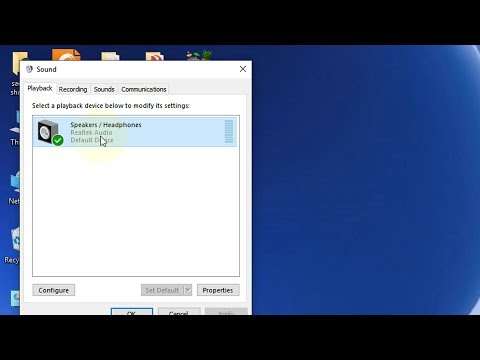
By The Geek Page How to fix No Sound on Windows 10 by The Geek Page
Fix HP Touchpad Not Working in Windows 11 10 How To Solve hp Laptop touchpad Issues

By Victor Explains Fix HP Touchpad Not Working in Windows 11 10 How To Solve hp Laptop touchpad Issues by Victor Explains
Fix HP Computer Has No Sound in Windows 11 FIX Sound Problems On HP Tutorial
By TechFixIT Fix HP Computer Has No Sound in Windows 11 FIX Sound Problems On HP Tutorial by TechFixIT

Title: No audio output device installed windows 10, No sound problem windows 10, Fix No Sound windows 10
Channel: Smrity Computer
No audio output device installed windows 10, No sound problem windows 10, Fix No Sound windows 10 by Smrity Computer
My Laptop Work
HP Laptop Sound DEAD? 😱 Fix it NOW!
Have the once vibrant melodies emanating from your HP laptop's speakers suddenly vanished? Silence where music, videos, and essential system sounds once thrived can be incredibly disruptive. Fear not! We've meticulously compiled the most comprehensive troubleshooting guide to resurrect the audio on your HP laptop. Prepare to re-immerse yourself in a world of sound, as we navigate the common causes and deliver swift, effective solutions.
Initial Checks: A Foundation for Restoration
Before diving into more complex remedies, let's establish a baseline. These preliminary steps can often resolve simple issues, saving you valuable time and frustration.
Volume Levels: This might seem elementary, but ensure the volume isn't muted. Check the system tray (lower-right corner of your screen) for the speaker icon. Is it crossed out? Click the icon and adjust the volume slider upwards. Also, within the application you're trying to use (e.g., a media player, a browser playing a video), verify its individual volume settings are not muted or excessively low. Sometimes, the simplest solutions are the most effective.
Physical Connections (If Applicable): If you're using external speakers or headphones, verify they are securely plugged into the correct audio jack (usually a green port). Inspect the cables for any visible damage. Try a different set of headphones or speakers to isolate the problem – if the sound works with an alternate device, the issue likely lies with the original hardware.
Restart Your Laptop: A simple reboot can often clear temporary glitches or software conflicts that may be impeding audio output. This action refreshes system processes and can resolve subtle errors that impede sound functionality. After the restart, test the audio immediately.
Driver Dilemmas: The Silent Culprit
Drivers are the software intermediaries that allow your operating system to communicate with your sound card (or integrated audio components). Corrupted, outdated, or misconfigured drivers are frequent culprits behind audio failures.
Accessing the Device Manager: Locate the Device Manager. This is usually accessible by right-clicking the Start menu and selecting "Device Manager," or by searching for it within the Windows search bar.
Identifying Audio Devices: Within the Device Manager, expand the "Sound, video and game controllers" category. You should see your audio devices listed (e.g., "Realtek High Definition Audio," "Intel Display Audio").
Driver Updates: Right-click on each audio device and select "Update driver." Choose "Search automatically for drivers." Windows will attempt to find and install the latest drivers. If Windows can't find an update, you might need to manually download the correct driver from the HP website.
Driver Rollback (if recent updates are the issue): If audio issues began after a driver update, try rolling back to a previous version. Right-click the audio device in Device Manager, choose "Properties," go to the "Driver" tab, and click "Roll Back Driver." This action restores the prior, potentially functional, driver version.
Driver Reinstallation: If updates fail or the rollback doesn't work, attempt a clean reinstallation. Uninstall the audio driver (right-click, "Uninstall device"). Then, restart your laptop. Windows should attempt to reinstall the driver automatically. If not, you can manually download and install the driver from the HP website, ensuring you select the driver specifically for your HP laptop model and its operating system (e.g., Windows 10, Windows 11).
Audio Services: The Unseen Engines of Sound
Windows utilizes background services essential for audio functionality. Problems with these services can easily lead to silence.
Accessing Services: Type "services.msc" into the Windows search bar and press Enter. This opens the Services window.
Checking Audio Services: Locate the following services:
- "Windows Audio"
- "Windows Audio Endpoint Builder" *Verify that both services are running. If they are not, right-click on each, select "Properties," and set the "Startup type" to "Automatic." Then, click "Start" to initiate the service.
- Check the dependencies of each service. *Right-click on each service and select "Properties." *Go to the "Dependencies" tab. Note the services that each service depends on. *Ensure that all dependent services are also running and are set to "Automatic" startup, just as with the main audio services.
Restarting Services: After changing the settings, restart both services. Right-click on "Windows Audio" and select "Restart." Repeat for "Windows Audio Endpoint Builder."
Troubleshooting Through Hardware: Physical Considerations
While software issues are more common, sometimes the problem lies with the physical hardware.
External Speaker/Headphone Test: As mentioned earlier, test external speakers or headphones to isolate the origin of silence. If the external devices work, the laptop's internal speakers, or the audio jack itself, may be faulty.
Internal Speaker Diagnostics (Advanced): If you have some technical expertise, you can attempt to examine the internal speakers to make sure they are working properly. In order to do this, you can open your laptop case as long as the PC is not under warranty. There is a high likelihood of a voided warranty if you do so. Look for any damage and verify the connection to the motherboard is not loose.
Hardware Repair or Replacement: If you suspect a hardware failure, consider taking your laptop to a qualified repair technician. Replacing internal speakers or the audio jack can be a cost-effective solution compared to replacing the entire laptop, if feasible.
BIOS Settings: A Hidden Configuration
The BIOS (Basic Input/Output System) is the firmware that initializes your hardware during startup. Occasionally, audio settings within the BIOS can interfere with functionality.
Accessing BIOS: The method to access the BIOS varies depending on your HP laptop model. Typically, you need to press a specific key (e.g., F2, F10, Del, Esc) during startup. Consult your HP laptop's manual or search online for instructions specific to your model.
Navigating the BIOS: Once in the BIOS, navigate through the menus to locate audio-related settings. Look for options such as "Audio Device," "Sound Card," or "Internal Speaker."
Configuration Changes: Ensure audio devices are enabled. If there's an option to reset the BIOS to its default settings, consider doing so. This can often resolve configuration conflicts that might be causing audio problems. After adjusting BIOS settings, save the changes and restart your laptop.
Operating System Settings: The Interface of Audio
The operating system itself has several settings that may prevent sound from playing.
- Sound Control Panel: Search for "Sound" in the Windows search bar to bring up the Sound Control Panel.
* Playback Tab: Ensure that the correct playback device (your internal speakers or connected speakers) is selected as the default device. Right-click on the correct device and select "Set as Default Device" and "Set as Default Communication Device."
* Properties: Within the properties of the sound playback device, check the settings to confirm the device is properly enabled and not muted. Also, verify that the correct drivers are selected.
* Recording Tab: This tab lists your microphones. Ensure that your microphone is properly installed and is not muted. Try to use the microphone to test the sound.
* Sounds Tab: Test the system sounds. Even if there is no sound playing from the speakers, try to test the sound here.
* Communications Tab: This tab gives settings in case the laptop is being used for communications.
- Output Device: Within the properties of the sound playback device, check the settings to confirm the device is properly enabled and not muted. Also, verify that the correct drivers are selected.
Codec Conflicts and Audio Enhancements: Fine-Tuning the Sound
In rare cases, audio codecs or enhancements can cause issues.
Codec Pack Interference: If you've installed a third-party codec pack (e.g., K-Lite Codec Pack), it might be interfering with the native Windows audio drivers. Try uninstalling the codec pack to see if it resolves the audio issue.
Audio Enhancements: In the Sound Control Panel, under the "Playback" tab, select your default audio device and click "Properties." Go to the "Enhancements" tab. Experiment with disabling any audio enhancements (e.g., "Loudness Equalization," "Bass Boost") to see if they are causing a problem.
Factory Reset: A Potent Solution of Last Resort
If all other troubleshooting steps fail, a factory reset can restore your laptop to its original state. This will wipe all your data; therefore, make sure you back up any important files before proceeding.
Initiating the Reset: The process to perform a factory reset varies depending on your HP laptop model and the operating system. Generally, you can access the reset options through the Settings app (search for "Reset this PC" in the Windows search bar). You'll have options to keep your files or remove everything. Choose an option that fits your needs.
Following the Prompts: The recovery process will guide you through several steps. Follow the on-screen instructions carefully. Ensure your laptop is plugged in during the process to prevent power interruption.
Reinstalling Drivers: After the factory reset is complete, reinstall all essential drivers, including the audio
