my sound doesn t work on my laptop

Title: FIX100 Sound Audio Problem ON Your PCLaptopmacniteshaudio2023new
Channel: Mac Nitesh
FIX100 Sound Audio Problem ON Your PCLaptopmacniteshaudio2023new by Mac Nitesh
my sound doesn t work on my laptop, my sound won t work on my laptop, my volume doesn t work on my laptop, my sound won't work on my hp laptop, my sound won t work on my dell laptop, why doesn't my sound work on my laptop, my volume buttons aren t working on my laptop, why isn't my volume working on my dell laptop, why won't my sound work on my laptop, how come my volume button isn t working on my laptop
Laptop Sound Dead? FIX It NOW! (Easy Steps!)
Laptop Sound Woes? Revive the Audio! (Simple Solutions!)
Have you encountered the dreaded silence? Your laptop screen is vibrant, but no sound emerges. It is a frustrating experience, indeed. Fear not! This guide is designed to resurrect your audio. We will explore easy steps to troubleshoot and resolve sound issues. Let’s get your laptop's voice back!
Is the Volume Muted or Low? The Obvious First Step.
Sometimes, the simplest fix is the one you overlook. Look for the mute icon. It’s usually near the volume control. Click the speaker icon in your system tray. Is the volume slider at zero? If so, drag it up. Ensure the mute button isn't activated. Also, check for physical mute buttons on your laptop. These are common on many models. Consider headphones or external speakers. Do they work? If they do, the problem lies with your laptop’s internal speakers.
Driver Dilemmas: Uninstalling and Reinstalling Audio Drivers
Drivers are the software that allows your hardware to communicate with the operating system. Corrupted or outdated drivers are common culprits. Thus, a driver reinstall is often effective. First, access the Device Manager. Type "Device Manager" into the Windows search bar. Click on it. Expand the "Sound, video and game controllers" section. You can then right-click on your audio device. Select "Uninstall device." Follow the prompts. Next, restart your laptop. Windows should automatically reinstall the drivers. Alternatively, visit your laptop manufacturer’s website. Download the latest audio drivers. Install them. Problem solved, perhaps?
Troubleshooting Windows Sound Settings: A Deeper Dive
Windows sound settings can be tricky. They are sometimes the hidden cause of audio problems. Right-click the speaker icon in your system tray. Select "Open Sound settings." Ensure your computer is using the correct output device. Click on "Sound Control Panel." Verify that your sound card is enabled. Check the playback devices tab. Right-click on any disabled devices. Select "Enable." Click OK and test. You can also consider running the built-in troubleshooter. Search for "Troubleshoot audio problems" in the Windows search bar. Let the troubleshooter run. It will identify potential issues. Then, it suggests solutions.
Hardware Check: Examining the Physical Components
Sometimes, the issue isn't software-related. It is a hardware problem. So check your laptop's audio jack. Is anything plugged in? Unplug everything. If you recently dropped your laptop, internal components might be damaged. External speakers often work as a test. If they work, the problem is likely internal. Contact a professional if you suspect hardware failure. They may be able to help.
Software Conflicts: Addressing Conflicts Between Applications
Occasionally, software can interfere with audio. Certain applications might hijack your sound output. Specifically, check applications that manage audio. Consider closing unnecessary programs. Test the audio again. Also, ensure that your audio driver is updated. Check online for possible conflicts with other applications.
BIOS Updates: A Less Common Solution.
Although less frequent, an outdated BIOS can sometimes cause issues. The BIOS is the basic input/output system. It controls your hardware at a low level. Update your BIOS carefully. Visit your laptop manufacturer’s website. Locate the BIOS update for your specific model. Read the instructions meticulously. Then, follow them. Proceed with caution! A failed BIOS update can brick your laptop. Consider backing up your system before starting.
External Devices: Testing with Speakers or Headphones
The troubleshooting process is about isolation. Test external speakers. Also, try a pair of headphones. Do they function correctly? If so, the internal speakers are the likely fault. This is important information. It helps pinpoint the cause. If the audio still does not work, the problem could be with your sound card. Sadly, it may require professional repair.
Audio Enhancement Software: Taming the Digital Beast
Some laptops come with pre-installed audio enhancement software. Software like this can sometimes malfunction. Try disabling these features. They might be affecting your output. Look for the settings in your system tray. Change some settings. Restart your laptop to see if it makes a difference.
Professional Help: When to Seek Expert Assistance
If you've tried all of these steps, consider getting professional help. A technician has specialized tools. They have expertise to fix complex audio problems. Furthermore, they can diagnose more intricate hardware issues. They will likely be able to give a proper result. Don't hesitate to seek professional assistance. It can save you time and frustration!
Final Thoughts: Get Back to Sound!
Fixing laptop audio can be straightforward. Use these steps, always. Keep it in mind. From simple mute checks to deep driver re-installs, you are more equipped. You can overcome this technological challenge. By following these easy solutions, you should have your laptop's sound back in no time. So, troubleshoot the sound. Enjoy your music!
Laptop Bluetooth Not Working? SHOCKING Fix You NEED!Laptop Sound Dead? FIX It NOW! (Easy Steps!)
Alright, fellow tech adventurers! Ever been completely engrossed in a movie, a crucial video call, or your favorite tunes, only to be met with… silence? Your laptop’s sound just vanished into thin air, like a magician’s disappearing act. We've all been there, haven’t we? It's frustrating, disorienting, and often downright panic-inducing. But fear not! Because, as seasoned digital explorers, we're diving deep into the troubleshooting trenches, ready to resurrect your laptop’s acoustic capabilities. Let’s get your sound back, pronto!
1. The Sound of Silence: Recognizing the Problem and Why It Matters
Before we jump into fixes, let's establish a baseline. When we say "laptop sound dead," we mean no sound at all. No beeps, no system sounds, no audio from videos or music. The volume controls are probably showing levels fluctuating (or at least should be), but nothing is coming out. This lack of sound can stem from a multitude of gremlins – software glitches, driver issues, or even the hardware itself. The key is to figure out where the problem lies. A dead laptop sound isn't just an inconvenience; it hinders productivity, entertainment, and communication. Think about your workflow, video calls, or even just the simple pleasure of hearing your favorite artist's new track. That's why we need to fix this, and fast!
2. Check the Obvious: The Beginner's Checklist
Okay, let's start with the basics. You'd be surprised how often these simple checks solve the problem!
- Volume Level: Is your volume muted? Sounds unbelievably basic, but check the Windows volume mixer (bottom right corner of your screen - looks like a speaker icon). Crank that volume up! Also, make sure the individual sliders for the specific application you're using (e.g., Spotify, your web browser) aren't muted or turned down. That's happened to me more than once!
- Physical Connections: If you're using external speakers or headphones, are they plugged in securely? Check the cable connections, and try a different pair of headphones or speakers to see if the problem lies there.
- Hardware Kill Switch: Some laptops have a physical mute switch, often near the volume controls. Double-check that it's not accidentally flipped to the mute position.
3. Diving Deeper: Sound Device and Playback Device Settings
If the basic checks didn't work, let's move into more advanced territory. This is where we get into the Settings menus.
- Playback Devices: Right-click the speaker icon in the system tray (bottom right corner) and select "Open Sound settings." Under "Output," ensure the correct playback device (your laptop's speakers or your connected headphones/speakers) is selected. If multiple devices are listed, try switching between them to see if sound magically appears.
- Troubleshooting: Windows offers a built-in troubleshooter. Within the "Sound settings," there's usually a "Troubleshoot" option. This can automatically detect and attempt to fix some common sound problems. It’s like having a digital mechanic for your audio system – sometimes, it works wonders!
4. Driver Detectives: Investigating Audio Driver Issues
Drivers are the software that allows your computer to communicate with your hardware. Outdated, corrupted, or incompatible audio drivers are a common culprit for sound problems. This is where we get a little more technical, but trust me, it's manageable.
- Device Manager: Right-click the Windows Start button and select "Device Manager." Look for "Sound, video, and game controllers." Expand this section.
- Driver Status: Your audio device(s) will be listed here. Look for a yellow exclamation mark or a red "X" next to any of them. This indicates a driver problem. If you see one, right-click the device and choose "Update driver." Select "Search automatically for drivers." Let Windows search the internet for the latest drivers. This is the fastest and easiest method.
- Roll Back Driver (If Applicable): If your sound recently stopped working after a driver update, you can "roll back" to the previous driver. In Device Manager, right-click the audio device, select "Properties," go to the "Driver" tab, and click "Roll Back Driver." Be warned, this option isn't always available.
5. Software Conflicts: Potential Culprits and Workarounds
Software conflicts can sometimes interfere with your audio. Think of it like two chefs trying to use the same oven at the same time – chaos ensues!
- Recent Installations: Did the sound problems start after you installed new software? Sometimes, specific programs can clash with your audio drivers. Try uninstalling the newly installed software (especially audio-related software) to see if it resolves the issue.
- Background Processes: Some background processes might be interfering with your sound. Open Task Manager (Ctrl+Shift+Esc) and check for any resource-intensive programs or unusual processes. Try closing them one by one to see if they're causing the problem.
6. The Mystery Surround Sound: Testing Your Sound System
Now for some tests, just to ensure your speakers are functioning properly and that Windows isn’t misconfigured.
- Sound Test: In your sound settings (accessed via the speaker icon - then "Advanced sound options"), there's often a "Test" button for your selected playback device. Click it and see if you hear a test tone. If you don't, the issue likely isn't an application-specific setting, but something more fundamental.
- Different Applications: Try playing audio from different applications (e.g., a YouTube video, a music player, a system notification sound). If the sound works in some apps but not others, the problem might be related to the specific application’s settings or a conflict. This is a time to check the app settings of these applications to see if the audio output is working correctly.
7. Hardware Investigation: When It's Not Software's Fault
Sometimes, the problem is the hardware itself. Let’s cover the most likely culprits here.
- Speaker/Headphone Damage: External speakers or headphones are a good starting point. If the speakers are damaged or the headphones are broken, there will be no sound. Test these and see which are functioning.
- Internal Speaker Failure: If all else fails, your laptop's internal speakers might have failed. This can happen over time, especially with heavy use. This is a scenario where you might need to seek professional repair, or consider the use of headphones or external speakers as a long-term workaround.
8. Audio Enhancements and Modifications
Windows often has audio enhancements enabled that can, surprisingly, cause problems. These can also be the solution in certain situations.
- Disabling Enhancements: In the "Sound" settings, go to the "Playback" tab, right-click your audio device, select "Properties," and then go to the "Enhancements" tab. Try disabling any enhancements that are turned on.
- Equalizer Settings: Explore the "Enhancements" tab for equalizer settings. If an equalizer is enabled, try setting it to "Default" or "Flat." Certain EQ settings might be causing audio distortions or silence.
9. BIOS and Firmware Updates: Advanced Techniques
This step is a bit more advanced, and you should be cautious. But sometimes, a BIOS or firmware update can resolve audio issues.
- Accessing BIOS/UEFI: Restart your laptop and enter the BIOS/UEFI setup (usually by pressing Del, F2, F12, or Esc during startup – the key varies by manufacturer). Check for any audio-related settings within the BIOS.
- Updating Firmware: Check your laptop manufacturer's website for the latest BIOS/UEFI updates. Follow the instructions carefully! Updating the BIOS is a delicate process, and incorrect execution can cause serious problems.
10. The Ultimate Reset: When all else fails
Sometimes, the easiest solution is also the most drastic.
- System Restore: If the sound stopped working recently, you can try a System Restore to revert your system to a previous point in time when the sound was working. Search for "Create a restore point" in the Windows search bar, open "System Properties," and click "System Restore." Choose a restore point from before the sound problem started.
- Factory Reset: As a last resort, you can perform a factory reset of your laptop. This will erase all your data, so make sure to back up your important files first. The process varies depending on your laptop's manufacturer. Check their support website for instructions.
11. Preventative Measures: Keeping Your Audio Healthy
Once you get your sound back, you'll want to keep it that way.
- Regular Driver Updates: Keep your audio drivers up to date.
- Software Management: Be cautious about installing new software, and always check the reviews.
- Clean Up: Regularly clean up junk files.
12. Headphone Issues: Troubleshooting Specific Problems
Headphone issues are also quite common and have distinct causes.
- Headphone Jack Problems: Check the audio port for any damage and try another.
- Detecting Headphones: Ensure that the laptop is detecting the headphones.
- Headphone Output: Check the headphone output settings
monitor sound not working fixed shorts techsupport techtips

By Shiny Tech Things monitor sound not working fixed shorts techsupport techtips by Shiny Tech Things
How to fix No Sound on Windows 10
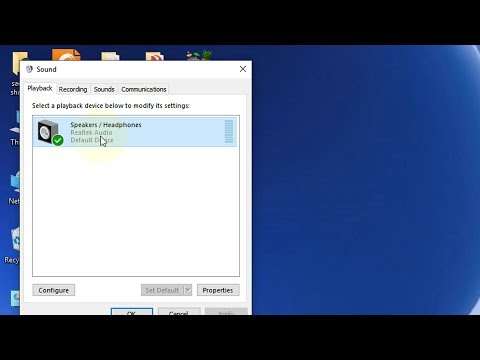
By The Geek Page How to fix No Sound on Windows 10 by The Geek Page
How to Fix No Sound After Windows 11 Update - Sound Missing Solved

By TechFixIT How to Fix No Sound After Windows 11 Update - Sound Missing Solved by TechFixIT

Title: My Laptop Sound Not Working How To Fix Windows 10 Laptop No Sound Not Working Problem
Channel: FIXsage
My Laptop Sound Not Working How To Fix Windows 10 Laptop No Sound Not Working Problem by FIXsage
My Laptop Work
Laptop Sound Dead? FIX It NOW! (Easy Steps!)
Silence can be golden, but not when it emanates from your laptop's speakers. A dead sound system on your portable computer can transform a productive workday or enjoyable leisure time into a frustrating experience. Fortunately, troubleshooting audio woes is often straightforward. We've crafted a comprehensive guide to help you swiftly diagnose and resolve the issue, restoring your laptop's sonic capabilities with minimal technical expertise.
1. Initial Diagnostics: Ruling Out the Obvious
Before delving into complex solutions, let's perform some essential preliminary checks. These simple steps frequently resolve the problem and prevent unnecessary troubleshooting.
Volume Control Verification: The most common culprit is, surprisingly, the simplest: the volume control. Ensure your laptop's volume isn't muted or set to an imperceptibly low level. Check both the system-wide volume slider, typically represented by a speaker icon in the system tray (bottom right of your screen), and any independent volume controls on your keyboard (often function keys like F1, F2, etc.). Also, ensure volume levels within the application you’re using, such as a media player or web browser, are turned up.
Headphone Check: An Essential Test: Plug in a pair of headphones or external speakers into your laptop's audio jack. If you hear sound through these external devices, it strongly indicates a problem with the laptop's internal speakers, not the software configuration. If sound doesn't come through headphones, it suggests a more systemic audio issue.
Restarting Your Laptop: The Universal Fixer: A simple reboot can miraculously solve numerous technical glitches. Restarting your laptop can refresh various software and driver configurations, potentially resolving temporary software conflicts that could be hindering audio output. Close all running applications and restart the laptop. Test the audio after it restarts.
Physical Inspection: A Quick Visual Check: Carefully examine your laptop's speakers. Look for any visible obstructions, such as dust or debris, that might be blocking the sound output. If you see anything, use a soft, dry brush or a can of compressed air to gently clean the speaker grilles.
2. Software Sleuthing: Diving into Audio Settings
If the initial checks don't reveal the culprit, we must investigate the software side of things.
Audio Device Selection: The Right Output: Verify that your laptop is configured to use the correct audio output device. Right-click on the speaker icon in the system tray and select "Open Sound settings" (Windows) or navigate to System Preferences > Sound (macOS). Ensure your laptop's internal speakers are selected as the default output device. If you see multiple audio devices listed (e.g., HDMI, Bluetooth), make sure the correct one is chosen.
Driver Issues: Updating and Reinstalling: Outdated or corrupted audio drivers are a frequent cause of sound problems. You can update your sound drivers through Device Manager (Windows). Search for "Device Manager" in the Windows search bar. Expand the "Sound, video and game controllers" section. Right-click on your audio device (e.g., Realtek High Definition Audio) and select "Update driver." Choose "Search automatically for drivers." If that doesn't work, you can also try to uninstall the driver and restart your device. The system should automatically reinstall the drivers. For macOS, the operating system generally manages sound drivers automatically; manually updating drivers is not typically required.
Troubleshooter: Automated Assistance: Both Windows and macOS offer built-in audio troubleshooters. These tools automatically diagnose and attempt to fix common audio issues. In Windows, search for "Troubleshoot sound problems" in the search bar. On macOS, navigate to System Preferences > Sound > Output, and look for troubleshooting options.
3. Advanced Troubleshooting: When Things Get Tricky
If the basic steps haven't resolved the issue, it's time to move to more advanced methods.
Sound Enhancement Software Conflict: Some laptops come with pre-installed sound enhancement software, such as Dolby Audio or Waves MaxxAudio. These applications can sometimes interfere with audio output. Try disabling the enhancement software temporarily to see if it resolves the problem. The settings for this software are often found in the system tray or through the manufacturer's application support.
Checking Services (Windows): In some cases, the Windows Audio service may be disabled, causing audio issues. Press the Windows key + R, type "services.msc," and press Enter. Locate the "Windows Audio" and "Windows Audio Endpoint Builder" services. Ensure that both are running and set to start automatically. If they aren't running, right-click on each and select "Start." If they are running, right-click on each and select "Restart."
Hardware Considerations: The Internal Speaker’s Condition: The internal speakers might have sustained physical damage. This could be a result of impacts or other external factors. If you suspect damage, it is best to seek specialist assistance from a qualified technician.
4. Software Conflicts: Addressing Potential Interference
The software environment can also influence the sound output.
Application Interference: If the sound issue arose after installing a new application, that application may be the source of the problem. Uninstall the recent application to test. Also, check for any sound settings within the application to ascertain whether they are interfering.
Codec Issues: Sometimes, issues with the audio codec can result in no sound. Codecs are used to encode and decode audio data. Try installing or updating commonly used codec packs, such as the K-Lite Codec Pack, to ensure your system can correctly handle different audio file formats.
5. Prevention: Maintaining Optimal Audio Performance
Preventative measures can help to minimize future audio issues.
Regular Driver Updates: Regularly check for and install the latest sound driver updates from your laptop manufacturer or the audio hardware manufacturer (e.g., Realtek, Intel). Driver updates often include bug fixes and performance enhancements.
Operating System Patches: Keeping your operating system up-to-date with the latest security and feature updates is equally important. These updates often include improvements to system stability and driver compatibility.
Protective Measures: Avoiding Damage: Always handle your laptop with care. Avoid exposing it to extreme temperatures, humidity, or physical shocks, which could damage the internal speakers or other audio components.
Cleanliness: Regularly clean your laptop, including the speaker grilles, to prevent dust and debris accumulation.
6. External Equipment Considerations: Checking the Peripherals
If your laptop has external ports, the components can influence the audio experience.
External Speakers/Headphones: Problems can sometimes occur with external devices, such as headphones and speakers. Test different devices with the laptop to determine whether the issue lies internally.
Bluetooth Connections: Bluetooth devices can cause interference. To troubleshoot, temporarily disconnect any Bluetooth devices that are connected to your laptop and listen to the sound output.
HDMI Connections: If using HDMI to connect to a monitor or TV, check the audio output settings of the monitor or TV. Ensure it is configured correctly.
7. Seeking Professional Assistance: Recognizing When to Call in the Experts
While most audio issues are resolvable using the aforementioned steps, some situations warrant professional intervention.
Hardware Failure Suspicions: If you've exhausted all software troubleshooting options and suspect a hardware failure (e.g., a damaged internal speaker or sound card), it's time to consult a qualified computer repair technician.
System Errors: Erratic behavior, such as system freezing or blue screens, may indicate more extensive problems. Seek professional help to diagnose and repair the underlying issues.
Warranty Coverage: If your laptop is still under warranty, contact the manufacturer's support team or an authorized service center. Attempting to perform complex repairs yourself could void the warranty.
By systematically following these steps, you can quickly troubleshoot and resolve most laptop audio problems. From simple volume controls to complex software configurations, this guide offers a comprehensive toolkit for restoring your laptop's sound and getting you back to enjoying your audio and maintaining productivity. Remember to be patient and methodical. If all else fails, don't hesitate to seek professional help. Your laptop's sonic performance will be restored in no time.
