can bluetooth and wifi work together in a laptop
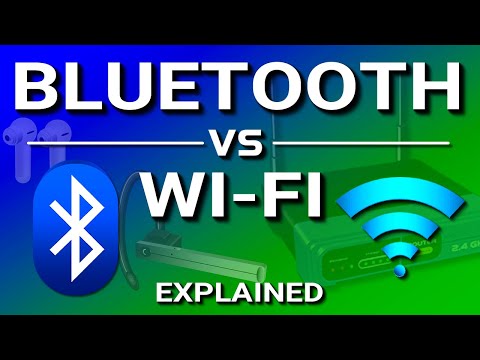
Title: Bluetooth vs WiFi - What's the difference
Channel: PowerCert Animated Videos
Bluetooth vs WiFi - What's the difference by PowerCert Animated Videos
Laptop WiFi & Bluetooth: The SHOCKING Truth!
Laptop WiFi & Bluetooth: Decoding the Digital Secrets
Let's be frank; we're all tethered to our laptops. That is, until our Wi-Fi decides to stage a revolt. Or Bluetooth starts misbehaving. But here's a secret: understanding the underlying truth can transform your tech tribulations into triumphs! It’s time to unearth the secrets.
The Wireless Web: Beyond the Bars
Think about your laptop's Wi-Fi. It allows you to connect to the internet. So, how does this magic actually work? Well, radio waves are the key! Your laptop sends signals and receives them. Thus, it connects to your router. The router, therefore, bridges the gap. It provides access to the greater internet. However, challenges arise. Obstacles like walls can impede the signal. Interference from other devices can also cause problems.
Furthermore, the distance matters. The farther you travel, the weaker the signal becomes. Consider the type of Wi-Fi standard your laptop uses. The newer standards, like 802.11ac and now 802.11ax (Wi-Fi 6), are faster. They also offer wider range capabilities. Consequently, your laptop's performance differs. Also, the router's capabilities play a pivotal role. A top-tier router helps significantly. Its ability to manage traffic is a game-changer. Finally, the number of devices connected on your network affects the performance, too. Every connected device takes a portion.
Bluetooth: The Invisible Cord
Bluetooth is the unseen hand. It allows for wireless connections. It bridges the connection between your laptop and other devices. Think about your headphones, your mouse, or even your phone. They all likely rely on Bluetooth. But have you ever pondered how the connection happens? It's a short-range radio technology.
Bluetooth technology exists in several versions. Each newer version brings improvements. These improvements relate to speed and efficiency. Therefore, the version of Bluetooth your devices support matters. Compatibility is essential. For example, older versions may communicate with newer ones. However, features could be limited.
Furthermore, consider the physical proximity. Both devices must be within range of one another. Interference sources can also play a role. In addition, other Bluetooth devices affect the connection. The connection can be interrupted. Bluetooth relies on pairing for security. You must pair the devices for them to communicate. Once paired, it's a seamless experience.
Troubleshooting: Your Digital Detective Work
When issues arise, don't despair! There are steps to take. Begin by restarting. Rebooting your laptop often resolves simple glitches. Therefore, try restarting your devices, also. Then, check physical connections. Make sure your Wi-Fi is enabled. Likewise, verify Bluetooth is turned on.
Consequently, you should inspect the drivers. Outdated drivers could be an issue. You can update them. Usually, this is done through your operating system. Go into the settings. Then, look for “device manager”. Or, you can visit the manufacturer’s website for driver updates.
Next, assess your network. Test your internet speed. A slow internet connection can impact performance. Run a speed test. If you are consistently getting slow speeds, contact your internet provider. Moreover, troubleshoot Bluetooth by removing pairings. Then, reconnect the devices. This can reboot the connection.
Enhancing Your Wireless Experience
You can improve your connectivity. Strategically position your router. Place it in a central, elevated location. Avoid obstacles. This ensures the best coverage. For example, if you have a metal cabinet, avoid placing your router inside.
Additionally, minimize interference. Keep clear of devices emitting radio waves. These include microwaves and even baby monitors. Then, consider upgrading your hardware. A newer router yields better performance. Likewise, a Bluetooth adapter can improve your experience.
Furthermore, secure your network. Implement a strong password. Encryption prevents unauthorized access. As a result, you have more security. Periodically, check your settings. Keep your software current. Updates often improve the performance.
Conclusion: Embracing Wireless Mastery
So, there you have it! You know the truth about laptop WiFi and Bluetooth. They are the digital backbone of modern life. You are now equipped to troubleshoot issues. You also know how to boost performance. Then, go forth and use your gadgets with confidence. Your wireless world awaits!
Clevo Laptop Keyboard DEAD? FIX It NOW! (Easy Steps)Laptop WiFi & Bluetooth: The SHOCKING Truth!
Ever feel like your laptop’s Wi-Fi is as reliable as a one-legged racehorse? Or maybe your Bluetooth is perpetually playing hide-and-seek with your headphones? We’ve all been there, wrestling with connectivity gremlins that seem determined to sabotage our productivity and entertainment. But what if I told you there's more to these wireless woes than meets the eye? Buckle up, buttercups, because we’re about to dive into the shocking truth about your laptop’s Wi-Fi and Bluetooth.
1. The Invisible Battleground: Understanding Radio Waves
Think of your Wi-Fi and Bluetooth as little messengers, constantly zipping messages back and forth using radio waves. It’s like a digital version of carrier pigeons, but instead of feathers and cooing, we have data packets and flashing lights. The problem? These messengers are easily disrupted. Walls, microwaves, other Wi-Fi networks – they’re all potential roadblocks. It's a bit like trying to have a conversation at a rock concert – things can get lost in the noise.
2. Wi-Fi Woes: Why Is My Internet So Slow?
We've all experienced the dreaded buffering wheel of doom. But what causes this internet constipation? Usually, it’s a combination of factors.
- Distance: The further you are from your Wi-Fi router, the weaker the signal becomes, much like yelling across a football field.
- Obstacles: Walls, furniture, and even fish tanks (yes, really!) can absorb or block the signal. Imagine putting a blanket over your carrier pigeon – it can’t fly as far.
- Interference: Other devices, like microwaves and cordless phones, can interfere with your Wi-Fi signal. It is like two radios battling for the airwaves.
- Router Overload: If too many devices are connected to your router simultaneously, the bandwidth gets stretched thin, just like sharing a single slice of pizza among a crowd.
3. Decoding the WiFi Standards: 802.11a/b/g/n/ac/ax – What Do They Mean?
These are like the different generations of Wi-Fi technology. Each subsequent standard (like ac and ax) is faster and more efficient than the last. It’s like upgrading from a horse-drawn carriage to a sports car. Knowing which standard your router and laptop support can significantly impact your speed and performance.
4. Bluetooth Blues: Why Won't My Devices Connect?
Bluetooth, the wireless whisperer of short-range connections, isn’t always the most cooperative.
- Range Limitations: Bluetooth has a limited range, usually around 30 feet. It's like trying to shout across a classroom - the further away, the less likely they can hear you.
- Pairing Problems: Sometimes, devices just refuse to pair. This is often due to compatibility issues or previous pairings interfering.
- Interference (Again!): Like Wi-Fi, Bluetooth can also suffer from interference from other wireless devices.
- Low Battery: A dead battery can kill the Bluetooth connection, leaving you in complete silence.
5. Router Roulette: The Importance of Router Placement
Where you put your router can drastically impact your Wi-Fi performance. Avoid placing it in a corner, near metal objects, or enclosed spaces. The best spot? A centralized, elevated location, like the coffee table in the living room. Think of it as a lighthouse, providing illumination (Wi-Fi signal) to all nearby vessels (your devices).
6. The Bluetooth Conspiracy: Hidden Power Consumption
Did you know that Bluetooth can drain your laptop’s battery even when it's not actively connected? It’s like having a tiny gremlin secretly sipping juice from your power source all the time. Consider disabling Bluetooth when you don’t need it to save battery life.
7. Troubleshooting Techniques: A Practical Guide to Connectivity Salvation
When your Wi-Fi or Bluetooth goes haywire, don't panic! Try these simple fixes first:
- Restart: Reboot your laptop and router. It's the digital equivalent of turning it off and on again!
- Check Connections: Ensure all cables are secure.
- Update Drivers: Outdated drivers can cause all sorts of problems. Download and install the latest drivers for your Wi-Fi and Bluetooth adapters.
- Run the Troubleshooter: Windows and macOS have built-in troubleshooters that can identify and fix common problems.
- Move Closer: If all else fails, move your laptop closer to your router or Bluetooth device.
8. The Hidden Costs of Wireless: Security Risks You Should Know
Wireless connections, while convenient, come with security risks. Make sure your Wi-Fi network is password-protected and use a strong password. For added security, consider enabling WPA3 encryption. Think of it as locking your front door.
9. Understanding Bandwidth: The Highway of Data
Bandwidth is like the highway's number of lanes. The more bandwidth you have, the more data can travel simultaneously, resulting in faster speeds. High bandwidth can improve your internet speeds much like widening a highway to reduce traffic congestion.
10. Signal Strength vs. Signal Quality: The Subtle Differences
Signal strength measures how strong the signal is, while signal quality refers to the signal's cleanliness and lack of interference. Even with a strong signal strength, poor signal quality can result in slow speeds. It's like having a loud radio with a lot of static.
11. Bluetooth Profiles: What Are They and Why Do They Matter?
Bluetooth profiles are like languages that different devices use to communicate with each other. These profiles include the A2DP (Advanced Audio Distribution Profile) used for audio streaming and the HID (Human Interface Device) profile for connecting keyboards and mice. Understanding profiles helps determine which devices can connect.
12. The Impact of Interference: Enemies of Wireless Bliss
Interference, the arch-nemesis of our wireless world, can come from various sources, including microwaves, other Wi-Fi networks, and even Bluetooth devices. Minimizing interference is crucial for stable, reliable connections.
13. Optimizing for Streaming: Making Your Movies Buffer-Free
To enjoy seamless streaming, prioritize a strong Wi-Fi signal and high bandwidth. Close unnecessary applications, and consider using an Ethernet cable for a more stable connection. It's like creating a clear path to your destination.
14. The Future of Wireless: What's Around the Corner?
Wi-Fi 6E and Bluetooth 5.3 are already here, promising faster speeds, improved reliability, and greater efficiency. The evolution of wireless technology continues, shaping the future of how we connect and communicate.
15. Laptop WiFi & Bluetooth: What You Can Do Right Now
So, what have we learned? From understanding radio waves to troubleshooting techniques, we've uncovered the secrets of laptop WiFi and Bluetooth. Armed with this knowledge, you can take control of your wireless experience.
Closing Thoughts:
We've journeyed through the perplexing world of laptop WiFi and Bluetooth, unveiling the "shocking truth" behind their quirks and vulnerabilities. From understanding the science of radio waves to mastering troubleshooting techniques, we have covered the key aspects of wireless connectivity. Remember, a strong, reliable wireless experience is within your grasp. By understanding the factors that affect your connection and implementing simple fixes, you can say goodbye to connectivity frustrations and hello to seamless productivity and entertainment. So, go forth, reclaim your digital freedom, and stay connected!
FAQs
1. Why is my Wi-Fi so slow, even though I pay for a fast internet plan?
Several factors can contribute to slow Wi-Fi speeds, like distance from your router, obstacles, interference from other devices, and router overload. Check your router's placement, make sure it's the latest standard, and consider upgrading if needed.
2. My Bluetooth headphones keep disconnecting. What can I do?
Bluetooth disconnections can be caused by range limitations, compatibility issues, interference, or a low battery. Make sure your devices are within range, have updated drivers, and aren't being interfered with by other devices (like a microwave).
3. How can I improve my Wi-Fi signal strength?
Place your router in a central, elevated location away from obstructions. Consider using a Wi-Fi extender if your router's signal doesn’t reach all areas of your home.
4. Should I always keep Bluetooth enabled?
No. Keeping Bluetooth enabled even when you don't use it can drain your laptop's battery. Disable Bluetooth when not in use to conserve power.
5. What is the difference between 2.4 GHz and 5 GHz Wi-Fi?
2.4 GHz offers a longer range but is more susceptible to interference. 5 GHz is faster and less prone to interference but has a shorter range. Choose the most appropriate band based on your needs and environment.
- Principal Keywords: Laptop WiFi Bluetooth Secrets
- SEO Headline: Laptop WiFi & Bluetooth Secrets Revealed!
- Pathway: Laptop WiFi Secrets
- Meta Summary: Uncover the SHOCKING truth about your laptop WiFi & Bluetooth! Learn how to improve your connection, fix problems, and boost your performance.
- Image Alt Text: A laptop with Wi-Fi and Bluetooth signals, symbolizing freedom and connection.
Fix Wi Fi And Bluetooth Not Working At The Same Time In Windows

By Info Zone Fix Wi Fi And Bluetooth Not Working At The Same Time In Windows by Info Zone
How does Bluetooth Work
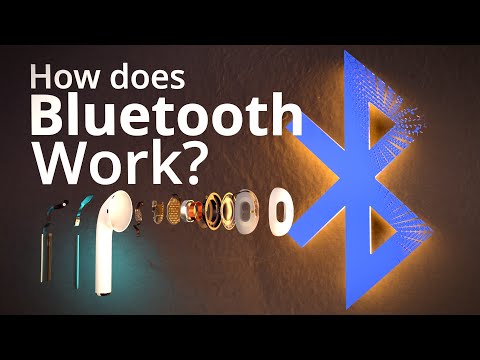
By Branch Education How does Bluetooth Work by Branch Education
How to Use Wi-Fi and Ethernet at the Same Time in Windows Does it Actually Work

By Guiding Tech How to Use Wi-Fi and Ethernet at the Same Time in Windows Does it Actually Work by Guiding Tech

Title: how to connect internet from mobile to Laptop via Bluetooth tethering android to pc
Channel: WebbyFan
how to connect internet from mobile to Laptop via Bluetooth tethering android to pc by WebbyFan
Wifi On Laptop
Here's the article:
Laptop WiFi & Bluetooth: The Shocking Truth!
We live in a wirelessly connected world. Our laptops have become indispensable portals, linking us to the global information network. But beneath the sleek exteriors and seamless connections lies a complex interplay of technologies, each with its own set of limitations, vulnerabilities, and surprising truths. We are, in essence, broadcasting and receiving data constantly, and understanding how this works is crucial. Let's delve into the often-misunderstood world of laptop WiFi and Bluetooth, uncovering the realities behind these essential technologies.
The WiFi Revelation: Beyond the Wireless Signal
WiFi, the ubiquitous wireless technology, is often treated as a single entity, a simple pipe delivering internet to our digital devices. The truth, however, is far more nuanced. The performance we experience is directly tied to the standards, hardware, and surrounding environment.
Understanding the Standards: 802.11 a/b/g/n/ac/ax
The WiFi standards are a constantly evolving series of specifications that dictate how data is transmitted. Each iteration, designated by letters, has introduced improvements in speed, range, and efficiency. 802.11a, the earliest, offered relatively fast speeds, but was hampered by a short range. 802.11b expanded range but was slower. 802.11g was a compromise, providing decent speed with reasonable coverage. 802.11n significantly boosted speeds and introduced technologies like MIMO (Multiple Input, Multiple Output), allowing for multiple antennas to transmit and receive data streams simultaneously. 802.11ac, a marked advancement, used wider channels, more spatial streams, and advanced modulation techniques to achieve gigabit speeds. The current standard, 802.11ax (WiFi 6), pushes the boundaries further, optimizing performance in densely populated environments and improving battery life in the devices it supports. It employs technologies like OFDMA (Orthogonal Frequency-Division Multiple Access), allowing for more efficient use of the available bandwidth. The next generation, 802.11be (WiFi 7), promises even greater speeds and significantly reduced latency, which is particularly beneficial for real-time applications like gaming and video conferencing.
The Router's Role: Gateway to the Internet and Bottleneck
Your WiFi router is the cornerstone of your wireless network. It acts as a gateway, translating the internet signal into a format your laptop can understand. The router's capabilities, particularly its processing power and the WiFi standard it supports, directly impact the performance you experience. A router lacking the latest features can become a significant bottleneck, even if your laptop’s WiFi adapter is state-of-the-art. The router’s placement within your home also matters significantly. Obstacles like walls, especially those made of concrete or reinforced with metal, can dramatically weaken the WiFi signal. It is always best to place the router in a central location.
Laptop WiFi Adapters: Inside the Wireless Brain
The WiFi adapter inside your laptop is responsible for receiving and transmitting the wireless signals. The quality of the adapter, its supported standards, and the antennas it uses all play a critical role. An older adapter will simply be slower than a newer one. Some laptops come equipped with higher end adapters than other laptops. Most newer laptops will support the 802.11ax standard. The arrangement of the internal antennas within the laptop chassis can also impact performance. Poor antenna placement can lead to signal degradation, particularly in areas with a lot of interference.
Interference: The Silent Saboteur of Wireless Performance
WiFi signals operate on radio frequencies susceptible to interference from other devices. Microwaves, cordless phones, Bluetooth devices, and even other WiFi networks can all obstruct and worsen the transmission of data, leading to slower speeds and dropped connections. The environment in which you use your laptop has a significant effect on the effectiveness of your connection. This is especially important in areas with high densities of WiFi networks, such as apartments or office buildings.
Troubleshooting Common WiFi Problems
Experiencing slow speeds or intermittent connectivity? Several factors could be responsible. Try the following steps:
- Restart Your Devices: Restart your laptop and your router. This simple step can often resolve temporary software glitches.
- Check Your Router's Firmware: Make sure it is up to date. Router manufacturers frequently release firmware updates to improve performance and security.
- Change WiFi Channels: Use a WiFi analyzer app on your phone or laptop to determine the least congested WiFi channels. Switching to a less crowded channel can significantly improve performance.
- Optimize Router Placement: Place your router in a central, open location, away from obstacles and sources of interference.
- Update Your Drivers: Make sure your WiFi adapter drivers on your laptop are always up to date.
- Consider Upgrading Your Router: If your router is old, it may not support the latest WiFi standards or have the processing power to handle your internet usage. It may be time to upgrade.
Bluetooth's Hidden Complexities: Beyond Pairing and Playback
Bluetooth, the ubiquitous wireless technology for connecting devices, is often viewed as a simple convenience. It can be easily paired and used to connect a mouse or headphones. But under the surface, Bluetooth has a complex architecture.
Bluetooth Versions: Evolving Specifications
Just like WiFi, Bluetooth has evolved through various versions, each with its own set of improvements. The different versions of Bluetooth offer improvements in speed, range, and power efficiency. Bluetooth 5.0, introduced in 2016, dramatically improved speed, range, and broadcast capacity compared to previous versions. Bluetooth 5.1, released in 2019, added features such as direction finding, which allows devices to determine the direction of other Bluetooth devices. Bluetooth 5.2 introduces the LE Audio standard, which improves audio quality and enables multi-stream audio, which is especially useful for wireless headphones. The latest iteration, Bluetooth 5.3, further refines the Bluetooth experience with improvements designed to reduce power consumption and improve connection reliability.
Bluetooth Profiles: The Language of Wireless Communication
Bluetooth devices communicate using profiles, which define how two devices exchange data. Bluetooth profiles are what enable specific functions, such as streaming audio. The profiles used vary greatly, and it's important to understand the roles that they enable with your devices.
Bluetooth Interference: The Overlap of Signals
Like WiFi, Bluetooth operates on radio frequencies, thus it is susceptible to interference. WiFi interference is often a primary contributor to issues with Bluetooth connections. Other Bluetooth devices operating in the same area can also interfere with each other.
Bluetooth Security: Protecting Your Connections
Bluetooth security is an important consideration, particularly when connecting to external devices. Make sure to set a strong password and disable Bluetooth discoverability when it is not necessary. Never accept an unknown pairing requests. Ensure your devices are always updated with the latest security patches.
Troubleshooting Common Bluetooth Issues
Are you experiencing Bluetooth connectivity problems? Consider the following steps.
- Restart Your Devices: This is the best first step. Restart your laptop and the Bluetooth device that you are trying to connect.
- Check Device Compatibility: Ensure that both devices are compatible with each other, checking the profiles that both devices support.
- Update Drivers: Update the Bluetooth drivers on your laptop. Driver updates can often resolve connectivity issues.
- Reduce Interference: Move the Bluetooth device closer to your laptop and reduce sources of interference.
- Unpair and Repair: Unpair the device from your laptop and then pair it again. This often resets the connection.
- Check Battery Level: Make sure that the Bluetooth device has enough power and is not running out of battery.
The Shocking Truth: The Interplay of WiFi and Bluetooth
WiFi and Bluetooth often coexist within the same laptop, and they can sometimes interfere with each other. Because they share radio frequencies, they can contribute to performance problems. If you are experiencing slow WiFi speeds or Bluetooth connectivity issues, try turning off the Bluetooth on the laptop. If your WiFi performance improves, then consider that the two technologies may be interfering with each other.
Conclusion: Navigating the Wireless World
Understanding the intricacies of laptop WiFi and Bluetooth is essential for mastering the wireless world. By recognizing the standards, the hardware, the environmental factors, and the potential for interference, you can optimize your wireless experience, troubleshoot problems effectively, and enjoy the full potential of your laptop's wireless capabilities. The information we have provided here should help guide you to a better experience.
